Bitcoin Spending Psychology

Elena Rossi
| 22-06-2026
 · News team
Hello, Lykkers! Investors come in many forms, but Bitcoin holders have developed a reputation for behaving differently from traditional investors.
While stock investors may regularly rebalance portfolios, take profits, or spend their gains, many Bitcoin holders prefer to hold onto their assets for years. This unique behavior has sparked interest among economists, financial analysts, and behavioral finance experts. Why do Bitcoin holders spend differently, and what does that reveal about the way they view money?
The "Digital Gold" Mindset
One major reason is that many Bitcoin holders do not view Bitcoin as a typical investment. Instead, they see it as a long-term store of value, similar to gold. Traditional investors often buy stocks to generate income through dividends or to eventually sell for a profit. Bitcoin holders, however, frequently believe that their holdings will become significantly more valuable over time.
As a result, spending Bitcoin can feel less like making a purchase and more like giving up a valuable future asset.
This mindset encourages saving rather than spending.
The Power of Scarcity
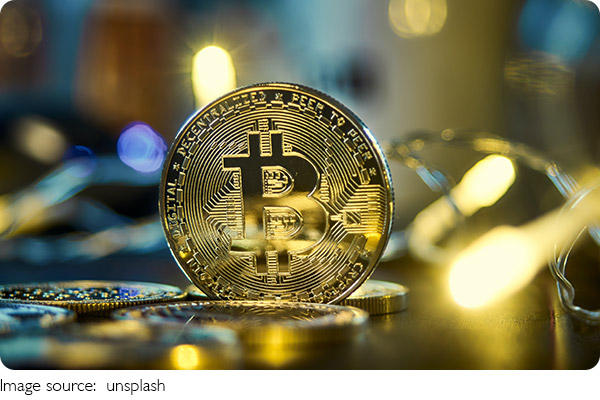
Bitcoin's supply is capped at 21 million coins, making it one of the few financial assets with a predetermined maximum supply.
This scarcity influences behavior. When people believe an asset will become increasingly rare, they may be more reluctant to part with it.
Many Bitcoin holders view each coin as a limited resource that could appreciate substantially in the future. Instead of spending it today, they often prefer to hold it for potential long-term gains.
This behavior differs from traditional currencies, which are generally designed to circulate through the economy.
Volatility Changes Spending Decisions
Bitcoin's price can fluctuate dramatically within short periods. This volatility creates a psychological challenge for spending.
Imagine using Bitcoin to buy a product today, only to see the value of that Bitcoin double several months later. Experiences like this have become part of Bitcoin culture and reinforce a tendency to hold rather than spend.
Many investors therefore separate their spending money from their Bitcoin holdings, treating Bitcoin more as a savings asset than a payment method.
Expert Perspective
According to Nobel Prize-winning economist Richard Thaler, a pioneer in behavioral economics, people often create separate "mental accounts" for different types of assets. His research shows that individuals may treat money differently depending on how they categorize it mentally.
This concept helps explain Bitcoin behavior. Many holders mentally classify Bitcoin as a long-term wealth asset rather than everyday spending money, leading them to make different financial decisions than they would with cash or traditional investments.
Community Influence Matters
Investment behavior is often shaped by social influences, and Bitcoin is no exception.
Online communities frequently promote long-term holding strategies and celebrate patience during market downturns. Phrases encouraging investors to hold through volatility have become widely recognized within the Bitcoin ecosystem.
This culture reinforces the belief that selling or spending Bitcoin too soon may lead to missed opportunities later.
As a result, community expectations can influence financial decisions just as strongly as market conditions.
A Different Relationship With Wealth
Traditional investors often focus on balancing growth, income, and liquidity. Bitcoin holders, however, may prioritize wealth preservation and future purchasing power.
For many, Bitcoin represents an alternative financial system rather than simply another investment product. This broader belief can shape spending habits, savings decisions, and long-term financial planning.
Whether this approach proves successful varies from investor to investor, but it undeniably creates behavior patterns that differ from those seen in traditional financial markets.
Conclusion
Bitcoin holders spend differently because they often view Bitcoin differently. Scarcity, volatility, long-term expectations, and community influences encourage many investors to treat it as a wealth-preservation asset rather than everyday money. Understanding these behaviors provides valuable insight into how psychology and financial beliefs can shape the way people save, invest, and spend.