Start Investing on the Cheap

Camille Dubois
| 23-06-2026
 · News team
Hi, Friends! Jumping into investing can feel like stepping into a room full of jargon and big numbers.
But here is the truth: you do not need a fortune to start building wealth. With a few dollars and a clear plan, anyone can begin.
This guide walks you through how to make your first moves with confidence, even if your bank account looks modest.
Why Small Money Still Matters
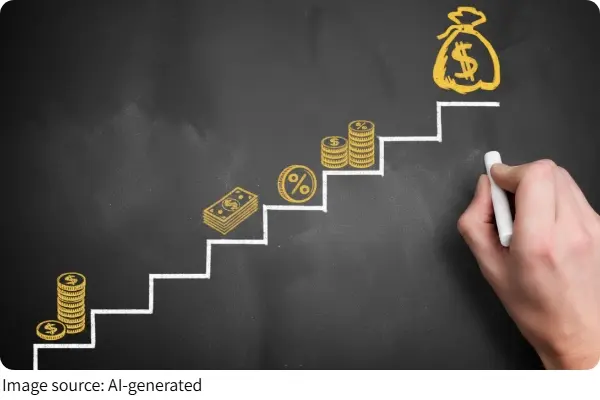
Think of investing as planting a seed. A tiny amount today can grow into something substantial over time thanks to compound returns. Even $50 each month, invested in a broad market fund, can turn into thousands of dollars after 20 or 30 years. The key is starting early and staying consistent. You are not trying to beat the pros; you are giving your money a job: to work for you while you sleep.
Choose the Right Account Type
Before picking investments, pick where you hold them. For long term goals, a Roth IRA is a favorite for beginners. You contribute post tax dollars, and withdrawals in retirement are tax free. Many brokers let you open one with no minimum balance. If you want more flexibility, a regular taxable brokerage account works too. Look for platforms with no account fees and low trade commissions. Great options include Fidelity, Schwab, or Vanguard. They all offer fractional shares, which means you can buy a piece of a high priced stock like Amazon for as little as $5.
Pick Low Cost Index Funds or ETFs
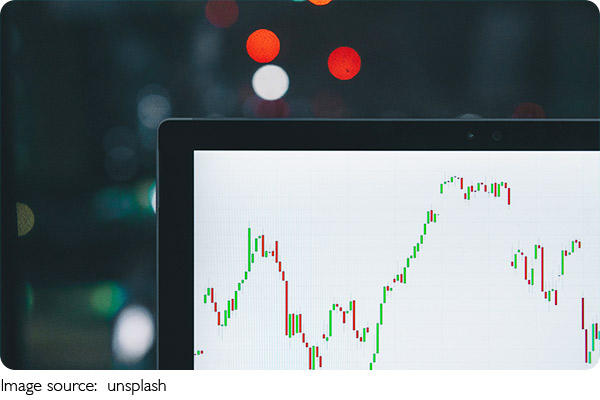
Individual stocks are risky for small portfolios. Instead, choose index funds or exchange traded funds (ETFs) that track the entire market. For example, a fund following the S&P 500 gives you exposure to 500 large US companies. The fees (expense ratios) should be under 0.10% annually. A classic choice is VOO (Vanguard S&P 500 ETF). You can buy a fraction of one share for as little as $1. Over the last 10 years, the S&P 500 has returned about 12% per year on average. Past performance does not guarantee future results, but it shows the power of broad market growth.
Set Up Automatic Transfers
The easiest way to stick with investing is to automate it. Set up a recurring transfer from your checking account to your brokerage account. Even $20 every week adds up. Many brokers let you schedule automatic purchases of ETFs or mutual funds. This removes the emotion of trying to time the market. When prices drop, you buy more shares; when prices rise, you buy fewer. Over time, this technique, called dollar cost averaging, can lower your average cost per share.
Watch Out for Hidden Fees
Small fees eat into your returns. Avoid accounts with annual maintenance fees or high trading commissions. Also check if there are fees for transferring money or closing an account. Robo advisors like Betterment or Wealthfront charge around 0.25% per year, which can be reasonable for a hands off approach. But if you manage your own portfolio, stick to free trade platforms and low cost index funds. Every dollar saved in fees is a dollar that stays invested.
Start with a Small Emergency Fund First
Before committing cash to the market, ensure you have three to six months of living expenses in a high yield savings account. This protects you from having to sell investments at a loss if an unexpected expense arises. Once that safety net is in place, any extra money can go toward investing. This is a foundational rule of personal finance that many overlook.
Reinvest Your Earnings
When your investments pay dividends or capital gains, set them to automatically reinvest. Most brokerages offer a dividend reinvestment plan (DRIP). Instead of receiving cash, the dividends buy more shares. This supercharges your compounding over time. It is a small habit that makes a huge difference in the long run.
Start small, stay consistent, and keep learning. The best investment you can make is in your own financial education. You do not need to be a Wall Street expert; you just need to begin. So open that account, pick a low cost fund, and put your first few dollars to work. Future you will thank you.