Aviation's Hidden Goldmine

Chandan Singh
| 09-06-2026
 · News team
Hello, Lykkers! When most people see a jet soaring above the clouds, they assume the airline owns it. Surprisingly, that's often not the case. A large share of the world's commercial aircraft are actually rented through leasing companies, creating one of the most profitable and influential sectors in aviation finance.
Over the past few decades, aircraft leasing has evolved from a niche financing option into a multi-billion-dollar global industry. Today, it plays a critical role in helping airlines expand, manage risk, and adapt to changing market conditions without spending enormous amounts of capital upfront.
The High Cost of Owning a Fleet
Buying a commercial aircraft is one of the largest investments an airline can make. A new narrow-body jet commonly used for regional and short-haul routes can cost tens of millions of dollars, while larger long-haul aircraft may carry price tags reaching hundreds of millions.
For many airlines, especially newer carriers or those operating in competitive markets, purchasing an entire fleet outright is simply not practical. Tying up that much capital in aircraft limits the funds available for staffing, technology upgrades, route expansion, and customer experience improvements.
Leasing provides an alternative. Instead of making a massive purchase, airlines pay monthly or annual lease fees, allowing them to operate modern aircraft while preserving cash.

Why Airlines Prefer Leasing
Flexibility is one of the biggest reasons airlines choose leasing.
Air travel demand can change rapidly due to economic conditions, fuel prices, tourism trends, or shifts in consumer behavior. Leasing allows airlines to adjust fleet sizes more easily than if they owned every aircraft.
For example, an airline experiencing rapid growth can quickly add leased aircraft to serve new destinations. If demand slows, lease agreements may provide more flexibility than owning underutilized planes.
This adaptability has become increasingly valuable in an industry known for its cyclical ups and downs.
The Rise of Specialized Leasing Companies
As airline demand for leasing grew, specialized firms emerged to meet it.
These companies purchase aircraft directly from manufacturers and lease them to airlines worldwide. Their business model relies on managing large fleets, negotiating favorable purchase agreements, and maintaining long-term relationships with carriers.
According to aviation industry data, leasing companies now account for a substantial portion of the global commercial aircraft fleet. Their influence has grown so significantly that major aircraft manufacturers often view leasing firms as some of their most important customers.
The result is a highly specialized financial ecosystem connecting manufacturers, lessors, banks, investors, and airlines.
A Business Built on Predictable Cash Flow
One reason investors are attracted to aircraft leasing is the industry's potential for stable, long-term income.
Lease contracts often span several years, creating predictable revenue streams. Since commercial aircraft are valuable assets with long operational lives, leasing companies can continue generating returns from the same aircraft through multiple lease cycles.
This combination of recurring income and tangible assets has made aircraft leasing attractive to institutional investors, pension funds, and infrastructure-focused investment firms seeking steady returns.
The Technology Factor
Modern aircraft are becoming increasingly fuel-efficient, making them highly desirable to airlines seeking lower operating costs.
Leasing companies frequently invest in newer aircraft models equipped with advanced engines and improved technology. Airlines can access these modern fleets without committing to large purchases, while leasing firms benefit from strong demand for efficient aircraft.
This creates a win-win situation. Airlines gain access to the latest technology, and lessors maintain assets that remain attractive in the marketplace.
Managing Risk in a Volatile Industry
The aviation sector faces many uncertainties, including economic slowdowns, fuel price fluctuations, and shifting travel patterns.
Aircraft leasing helps distribute some of these risks. Rather than placing all financial responsibility on airlines, leasing companies assume ownership risks while airlines focus on operations.
This structure creates greater financial flexibility and can help carriers navigate challenging periods more effectively.
What Industry Leaders Say
Steven Udvar-Házy, founder of Air Lease Corporation and one of the most influential figures in aviation leasing, has frequently highlighted how leasing enables airlines to modernize fleets while preserving financial flexibility. His work helped establish leasing as a mainstream strategy rather than a financing alternative used only by smaller carriers.
Many aviation analysts also note that leasing has become increasingly important as airlines seek to balance growth opportunities with responsible capital management.
The Future of Aircraft Leasing
The aircraft leasing industry shows little sign of slowing down. Global air travel continues to expand, and airlines remain focused on maintaining flexibility in a highly competitive environment.
At the same time, manufacturers are introducing more efficient aircraft, creating fresh opportunities for leasing companies to invest in next-generation fleets.
For airlines, leasing offers a way to grow without taking on overwhelming financial commitments. For investors, it provides access to a unique asset class supported by long-term demand.
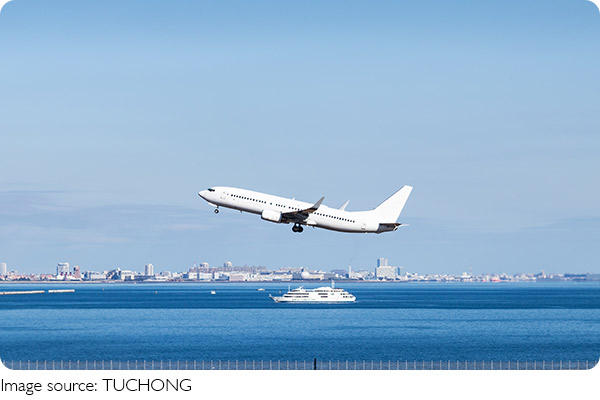
The next time you watch an aircraft lift off from the runway, remember that the journey involves more than pilots and passengers. Behind many of those flights is a sophisticated financial system that has quietly become one of the most important businesses in global aviation.