Agriculture's Big Comeback

Elena Rossi
| 08-06-2026
 · News team
Hello, Lykkers! When people discuss industries that will shape the future economy, technology and finance often dominate the conversation. Yet one of the most exciting transformations is happening in a much older industry: agriculture.
Today's agribusiness sector is no longer limited to planting, harvesting, and selling crops. It has evolved into a complex network of technology, logistics, sustainability initiatives, and investment opportunities. As global food demand continues to grow, agribusiness is becoming an increasingly important driver of economic development and innovation.
A New Era for Agriculture
Agriculture has always played a vital role in supporting economies, but modern agribusiness extends far beyond the farm. It includes food processing facilities, transportation services, agricultural technology companies, equipment manufacturers, and supply chain operators.
This broader ecosystem creates millions of jobs and contributes significantly to economic activity. Every improvement in farming efficiency creates ripple effects throughout the economy, benefiting businesses involved in production, storage, packaging, and distribution. As a result, agribusiness has become one of the most interconnected sectors in the global economy.
Technology Moves Into the Field
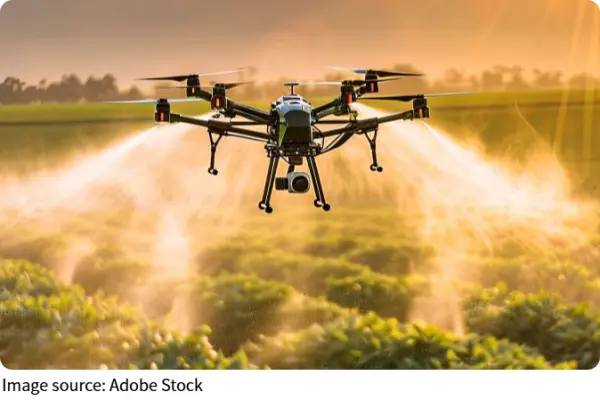
One of the biggest forces driving change in agriculture is technology. Farmers today have access to tools that would have seemed unimaginable just a generation ago. Drones can survey fields from above, sensors can monitor soil conditions, and satellite imagery can provide detailed insights into crop performance.
These innovations form the foundation of precision agriculture, a farming approach that uses data to make smarter decisions. Rather than applying water or nutrients evenly across an entire field, farmers can identify exactly where resources are needed most.
The benefits are substantial. Reduced waste, lower operating costs, improved yields, and better resource management all contribute to stronger financial performance. As technology becomes more affordable, farms of different sizes are gaining access to tools that improve productivity and competitiveness.
Smarter Decisions Through Data
Data has become one of agriculture's most valuable assets. Modern farming generates enormous amounts of information, from weather forecasts and soil conditions to machinery performance and crop health.
By analyzing this information, farmers can make more informed decisions throughout the growing season. They can anticipate challenges, improve planning, and respond quickly to changing conditions.
This data-driven approach reduces uncertainty and helps agricultural businesses operate more efficiently. Better decision-making not only improves farm profitability but also strengthens the overall resilience of the agricultural sector.
Artificial Intelligence Changes the Game
Artificial intelligence is quickly becoming one of the most promising developments in agribusiness. AI-powered systems can process vast amounts of information in seconds, providing recommendations that help farmers improve productivity and reduce risk.
For example, AI can detect early signs of crop disease, forecast weather-related threats, and suggest the most effective use of resources. These insights allow producers to act quickly and avoid costly losses.
Vincent Martin, Director of the Office of Innovation at the Food and Agriculture Organization (FAO), has described artificial intelligence as a "game-changing solution" for agriculture. According to Martin, these technologies can help farmers improve efficiency, manage risks, and strengthen food systems.
His perspective reflects a growing consensus that innovation will be essential for meeting future food needs while supporting economic growth.
Sustainability Becomes a Business Strategy
Sustainability is no longer viewed as simply an environmental goal. Increasingly, it is becoming a smart business strategy. Consumers are paying closer attention to how food is produced, and investors are looking for businesses that demonstrate long-term responsibility.
Many agricultural companies are adopting practices that improve soil health, conserve water, and support long-term productivity. These efforts help protect natural resources while creating more resilient operations.
Sustainable practices can also open doors to new financing opportunities and strengthen a company's reputation in an increasingly competitive marketplace.
New Opportunities for Investment
The transformation of agriculture is attracting growing interest from investors. Agricultural technology firms, food processing companies, logistics providers, and sustainable farming ventures are all benefiting from increased investment.
As food demand continues to rise, many investors see agribusiness as a sector with strong long-term growth potential. Capital flowing into the industry supports innovation, infrastructure development, and research, creating even more opportunities for expansion.
Looking Ahead
Agribusiness is proving that even the oldest industries can reinvent themselves. By combining technology, data, sustainability, and innovation, the sector is creating new opportunities for businesses, investors, and communities alike.
For Lykkers, the future of agribusiness offers an inspiring example of how economic growth can be driven by both progress and practicality. As farms become smarter, supply chains become stronger, and innovation continues to spread, agribusiness is set to play an even greater role in shaping a prosperous and sustainable future.