Economics Of Aviation

Ravish Kumar
| 05-06-2026
 · News team
Hello, Lykkers! Flying was once considered a luxury reserved for business travelers and wealthy vacationers. Today, millions of people can book flights for less than the cost of a train ticket, thanks to the rise of budget airlines.
From Europe and North America to Asia and the Middle East, low-cost carriers have transformed the aviation industry by making air travel accessible to a much larger audience. But how do these airlines manage to offer such low fares while remaining profitable? The answer lies in a carefully designed economic model.
A Simple Business Model
One of the biggest reasons budget airlines succeed is their commitment to simplicity. Unlike traditional airlines, which often provide multiple cabin classes, complimentary meals, and extensive route networks, budget carriers focus on one primary goal: transporting passengers from point A to point B at the lowest possible cost.
By reducing operational complexity, airlines can lower expenses and improve efficiency. Simpler operations also allow management teams to make faster decisions and adapt more quickly to changing market conditions.
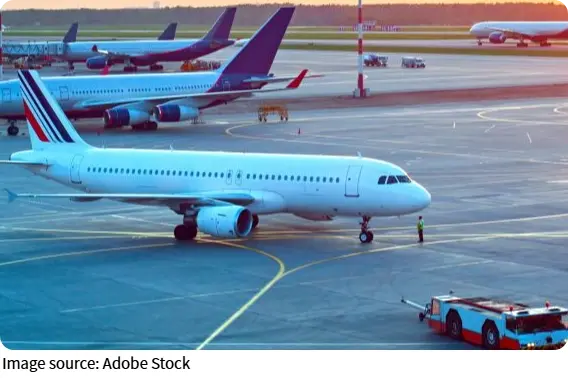
Maximizing Aircraft Utilization
Aircraft are expensive assets, and every minute they spend on the ground represents lost revenue. Budget airlines maximize profitability by keeping their planes in the air as much as possible.
Quick turnaround times at airports allow low-cost carriers to operate more flights per day than many traditional airlines. More flights mean more ticket sales and better returns on expensive aircraft investments. This high-utilization strategy is one of the cornerstones of the budget airline business model.
The Power of a Standardized Fleet
Many low-cost carriers operate only one or two aircraft types. This approach significantly reduces maintenance, training, and operational costs.
Pilots require fewer certifications, maintenance teams need fewer spare parts, and scheduling becomes more efficient. Standardization may seem like a small detail, but it creates substantial cost savings across the entire organization.
Additional Revenue Streams
A common misconception is that budget airlines rely solely on ticket sales. In reality, many generate a significant portion of their revenue through ancillary services.
Checked baggage fees, seat selection charges, priority boarding, onboard food and beverage sales, and travel-related partnerships all contribute to profitability. This strategy allows airlines to advertise very low base fares while earning additional income from passengers who choose extra services.
The result is a flexible pricing model where travelers pay only for the features they value.
Choosing Cost-Effective Airports
Budget airlines frequently operate from secondary airports rather than major international hubs. These airports often charge lower landing fees and offer incentives to attract airlines.
Lower airport costs help carriers keep ticket prices competitive while maintaining healthy profit margins. Additionally, smaller airports can reduce congestion, enabling faster departures and arrivals that further improve operational efficiency.
Filling More Seats
A crucial metric in aviation economics is the load factor—the percentage of seats occupied on a flight. Budget airlines work hard to maintain high load factors by offering competitive pricing and dynamic fare structures.
Even if individual ticket prices are relatively low, consistently filling aircraft allows airlines to spread fixed costs across more passengers, improving overall profitability.
Challenges to the Model
Despite their success, budget airlines face several risks. Fuel price volatility, labor shortages, economic downturns, and regulatory changes can all pressure profit margins.
Competition is another challenge. As more airlines adopt low-cost strategies, maintaining a pricing advantage becomes increasingly difficult. Budget carriers must continually innovate and improve efficiency to remain competitive.
The Future of Budget Aviation
The demand for affordable travel continues to grow worldwide. Rising middle-class populations, expanding tourism markets, and advances in technology are creating new opportunities for low-cost airlines.
At the same time, sustainability is becoming a key concern. Airlines are investing in more fuel-efficient aircraft and exploring sustainable aviation fuels to reduce environmental impact while controlling long-term costs.

Final Thoughts
The success of budget airlines is not based on cheap tickets alone. It is the result of a highly efficient economic model built around cost control, asset utilization, operational simplicity, and diversified revenue streams. By focusing on efficiency at every stage of the travel experience, budget airlines have reshaped the aviation industry and made air travel accessible to millions of people around the world.
As global demand for affordable transportation continues to rise, the economic principles that drive budget airlines are likely to remain a powerful force in the future of aviation.