Energy Transition Boom

Owen Murphy
| 03-06-2026
 · News team
Hello, Lykkers! A few decades ago, renewable energy was often viewed as a niche industry supported mainly by environmental advocates and government incentives.
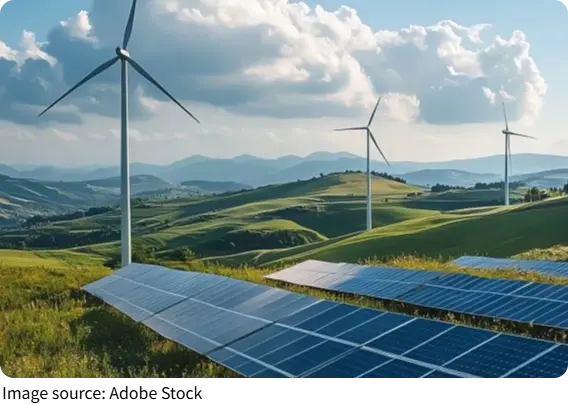
Today, the conversation looks very different. Solar farms stretch across vast landscapes, wind turbines dot coastlines and countryside horizons, and investors are pouring billions into technologies designed to power the future.
The global energy transition—the shift from traditional energy sources toward cleaner and more sustainable alternatives—is no longer just an environmental story. It has become one of the most significant investment themes of our time, reshaping industries, creating new opportunities, and influencing how capital flows around the world.
Why the Energy Transition Matters
Every modern economy depends on energy. It powers homes, factories, transportation systems, and digital infrastructure. As demand for electricity continues to grow, countries and businesses are searching for ways to meet that demand more efficiently and sustainably.
Renewable energy sources such as solar and wind have become increasingly competitive due to technological improvements and falling production costs. What was once considered expensive is now becoming a practical option for many regions.
A Trillion-Dollar Investment Opportunity
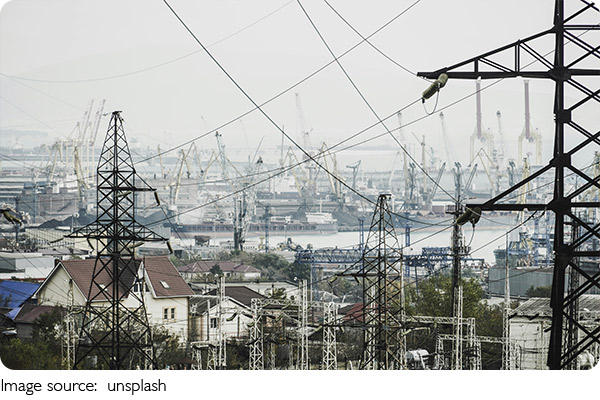
The energy transition is not limited to solar panels and wind turbines. It also includes energy storage systems, modernized power grids, electric transportation infrastructure, and advanced technologies that improve energy efficiency.
These projects require enormous amounts of capital. Building new energy networks, upgrading aging infrastructure, and developing innovative technologies create opportunities across multiple sectors.
For investors, this means the energy transition extends far beyond a single industry. It touches construction, manufacturing, utilities, technology, infrastructure, and finance. As a result, many analysts view it as a long-term trend rather than a short-term market cycle.
The Role of Smart Infrastructure
One of the most important pieces of the energy transition is infrastructure.
Imagine a large solar farm generating electricity on a sunny afternoon. Producing the power is only part of the challenge. That energy must be transmitted, managed, and delivered efficiently to homes and businesses.
This is where smart grids come into play. These modern networks use digital technology to monitor electricity flows, improve efficiency, and support a growing mix of renewable energy sources.
As renewable energy capacity expands, investment in transmission systems, energy storage facilities, and grid modernization is expected to become increasingly important. Many experts believe these less visible projects may be among the biggest beneficiaries of the transition.
What Experts Are Saying
The scale of the energy transition has attracted attention from financial leaders around the world.
According to the International Energy Agency (IEA), one of the world's leading authorities on energy markets, clean energy investment has become a major driver of global energy spending. The organization has repeatedly emphasized that investment in clean technologies is growing rapidly and playing a central role in the future of the energy sector.
The IEA's analysis highlights an important point for investors: the energy transition is not simply about environmental goals. It is increasingly becoming an economic and investment reality driven by technology, infrastructure development, and rising energy demand.
Risks Investors Should Consider
Like any major investment theme, the energy transition comes with risks.
Policy changes, supply chain challenges, technological competition, and market fluctuations can all influence investment outcomes. Some companies may thrive, while others struggle to adapt.
For this reason, diversification remains essential. Rather than concentrating investments in a single technology or company, many investors prefer broader exposure through diversified funds, infrastructure projects, or portfolios spanning multiple segments of the energy ecosystem.
Long-term trends can create significant opportunities, but patience and careful research remain critical.
Powering the Future
The energy transition is reshaping how the world produces, distributes, and consumes energy. What began as a gradual shift has evolved into a powerful economic force attracting attention from governments, businesses, and investors alike.
For Lykkers looking at long-term investment trends, the energy transition offers a fascinating example of how technology, infrastructure, and changing market needs can come together to create new opportunities. While no investment theme is without challenges, the move toward cleaner and more efficient energy systems is likely to remain one of the most influential financial stories for years to come.
The future may be powered by renewable energy, but it is also being powered by investment, innovation, and the vision to build something better.