Digital Heritage Wealth

Arvind Singh
| 01-06-2026
 · News team
Hello Lykkers! Imagine walking through a centuries-old building that still carries its original charm—but behind the walls, everything is smart, energy-efficient, and digitally monitored. This blend of old-world architecture and modern technology is no longer just an idea.
It’s becoming a powerful force in real estate, especially in how property values grow through digital restoration of historical architecture. What once was purely about preservation is now also about performance, efficiency, and investment returns.
When history meets digital transformation
Historical buildings have always carried cultural and emotional value. But maintaining them has traditionally been expensive and technically difficult. Today, digital tools are changing that equation.
Using technologies like 3D scanning, AI modeling, and digital twins, developers can now recreate highly accurate versions of old structures before restoration even begins. This allows planners to test renovation strategies virtually, reducing risk and cost while preserving architectural integrity.
The result is a smarter, more precise approach to restoration that protects heritage while improving financial viability.
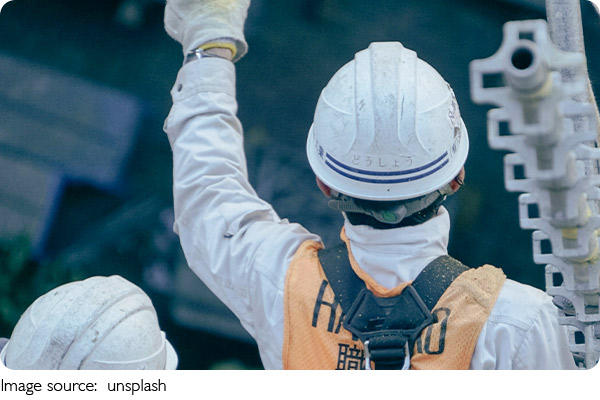
How digital restoration increases property value
One of the most interesting outcomes of this trend is how it affects property value.
Restored historical buildings already tend to attract premium pricing due to their uniqueness. But when digital technology is added, the value proposition expands even further:
- Lower long-term maintenance costs through predictive monitoring
- Improved energy efficiency with smart retrofitting systems
- Better structural safety through AI-assisted analysis
- Enhanced usability through modern infrastructure integration
Buyers and investors are increasingly willing to pay more for properties that combine historical charm with modern efficiency.
The expert view on smart restoration
Dr. Stefano Della Torre, a professor of architectural restoration at Politecnico di Milano, has extensively studied the role of digital tools in heritage conservation.
He has highlighted that digital technologies are not replacing traditional restoration methods but strengthening them. According to his research, tools like digital mapping and structural simulation help conservators make more informed decisions, ensuring that restoration is both historically accurate and economically sustainable.
This balance between preservation and innovation is central to the growing financial interest in heritage assets.
Digital twins and the new investment logic
One of the most powerful tools in this space is the concept of the digital twin—a virtual replica of a physical building.
In historical architecture, digital twins allow investors and engineers to:
- simulate structural changes before construction
- track long-term wear and environmental impact
- test energy upgrades without physical disruption
This reduces uncertainty, which is a major factor in real estate valuation. When risks become more predictable, property becomes more attractive to institutional investors.
As a result, heritage buildings are no longer seen as fragile assets—they are becoming data-backed investment opportunities.
Green energy and modernization benefits
Digital restoration also plays a key role in integrating green energy solutions into old structures.
Many historical buildings were not designed for modern energy efficiency. Through digital planning, developers can now carefully add:
- solar integration systems
- smart insulation materials
- energy monitoring sensors
- low-carbon heating and cooling systems
These upgrades reduce operating costs and improve sustainability ratings, both of which directly influence property value in today’s ESG-focused investment environment.
The new appeal for investors
For investors, the combination of heritage and digital innovation creates a unique opportunity.
- These properties offer:
- cultural and historical prestige
- strong long-term appreciation potential
- improved operational efficiency through technology
- alignment with sustainability investment goals
In many markets, restored heritage buildings are now competing with modern luxury developments—not just in aesthetics, but in financial performance.
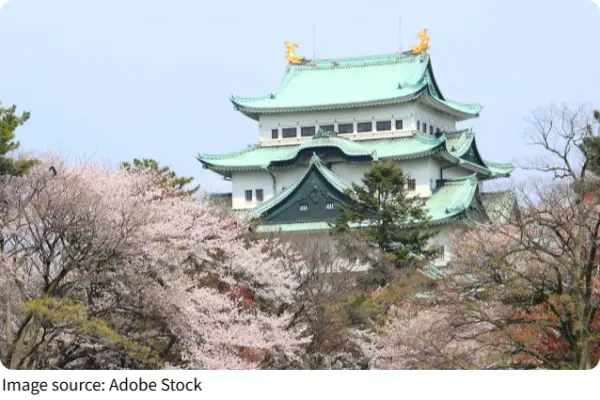
A future where old becomes smart
What’s happening here is more than renovation—it’s transformation. Historical architecture is no longer frozen in time. It is becoming dynamic, data-driven, and financially optimized.
Digital restoration is turning heritage buildings into hybrid assets: part cultural treasure, part smart investment vehicle.
For Lykkers watching the future of real estate and technology, one thing is clear—history is no longer just something we preserve. It is something we upgrade, enhance, and intelligently invest in for the future.