Community Travel Capital

Ravish Kumar
| 30-05-2026
 · News team
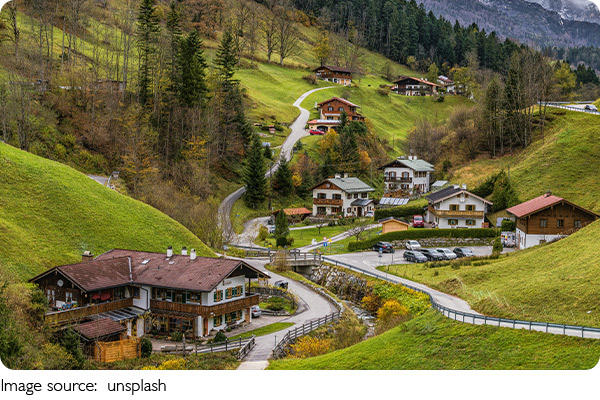
Hello, Lykkers! Rural travel is changing in a very real way. What used to be simple, family-run stays in quiet villages is now becoming part of a structured economic system supported by public funding, development programs, and tourism investment.
At the center of this shift are rural development funds—financial tools designed to strengthen local economies while opening new income opportunities through homestay businesses.
What rural development funds actually do
Rural development funds are financial programs created by governments or development institutions to support economic activity outside major cities. Their goal is not only to improve infrastructure but also to create sustainable income opportunities for rural communities.
When it comes to homestays, these funds often support:
- Renovation of village homes into guest accommodations
- Basic infrastructure like roads, water systems, and internet access
- Training programs for hospitality and financial management
- Marketing support to connect rural stays with tourism platforms
This combination of physical and financial support helps transform informal home rentals into structured, income-generating businesses.
How homestays benefit financially
For many rural households, homestays are no longer just a side activity—they are becoming a stable revenue stream. Development funds reduce the upfront cost barrier, which is often the biggest challenge for families entering the tourism market.
Instead of relying solely on personal savings, homeowners can access subsidized loans or grants to upgrade rooms, improve sanitation, and meet safety standards. This investment makes properties more attractive to travelers and allows hosts to charge competitive rates.
In many regions, this financial support has also encouraged seasonal income stability. Even during agricultural off-seasons, families can rely on tourism revenue to balance household finances.
Expert insight on rural tourism financing
According to Dr. Douglas Pearce, Professor Emeritus of Tourism Management at Victoria University of Wellington, he highlights that well-structured rural tourism funding can significantly increase local income retention, especially when communities are directly involved in decision-making. His research emphasizes that financial support is most effective when it strengthens local ownership rather than replacing it.
This perspective is important because it shows that funding alone is not enough—the way money is distributed and managed determines long-term success.
Broader economic ripple effects
The impact of rural development funds goes beyond individual homestay owners. As more homes are upgraded and more tourists arrive, local economies begin to shift.
Small businesses such as local food suppliers, transport services, and craft producers often see increased demand. This creates a multiplier effect, where tourism income spreads across the entire community rather than staying concentrated in one household.
In some areas, improved homestay infrastructure has even encouraged longer tourist stays, which increases total spending per visitor and strengthens local tax revenue.
Challenges in accessing and using funds
Despite the benefits, rural development funding is not always easy to access. Application processes can be complex, and many rural households lack the documentation or financial literacy needed to qualify.
There is also the challenge of maintaining standards after initial upgrades. Without proper training or ongoing support, some homestays struggle to manage bookings, pricing, and guest expectations effectively.
Another concern is uneven distribution—some regions receive strong support while others remain underfunded, creating gaps in tourism development.
Conclusion
Rural development funds are playing a powerful role in reshaping homestay businesses into sustainable economic engines. They reduce financial barriers, improve infrastructure, and open doors to tourism income that many rural families previously could not access.
But their true impact depends on more than just funding levels. When combined with training, local participation, and long-term planning, these funds can turn homestays into a reliable foundation for rural prosperity. In many ways, they are not just financing buildings—they are financing opportunity, dignity, and economic balance between rural and urban life.