Water Power 101

Amit Sharma
| 28-05-2026
 · News team
Hi, Friends!
Think of a river as nature's treadmill that never stops running.
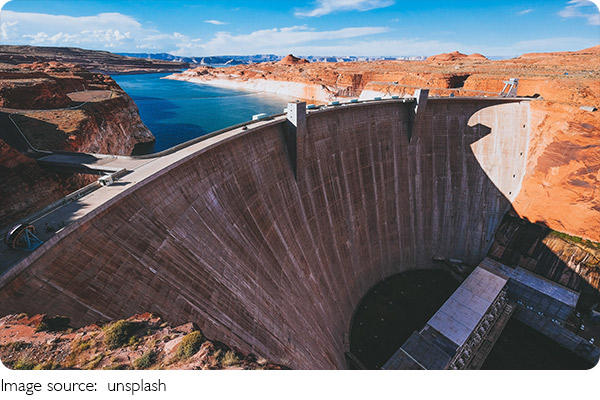
Unlike your gym membership that collects dust, this treadmill actually produces something useful: electricity. That is exactly what hydropower is all about, and it has been doing its thing long before solar panels were even a twinkle in an inventor's eye.
So, What Exactly Is Hydropower?
Hydropower, or hydroelectric power, is one of the oldest and largest sources of renewable energy, which uses the natural flow of moving water to generate electricity. Think of it as humanity's oldest energy hack. The fundamental principle revolves around harnessing the gravitational potential energy inherent in water's height, converting it successively into motion, then into mechanical energy, and ultimately into electrical energy. Basically, water rolls downhill, spins a turbine on its way, and boom, your lights stay on. Simple, elegant, and refreshingly non-dramatic.
How Does the Whole Thing Actually Work?
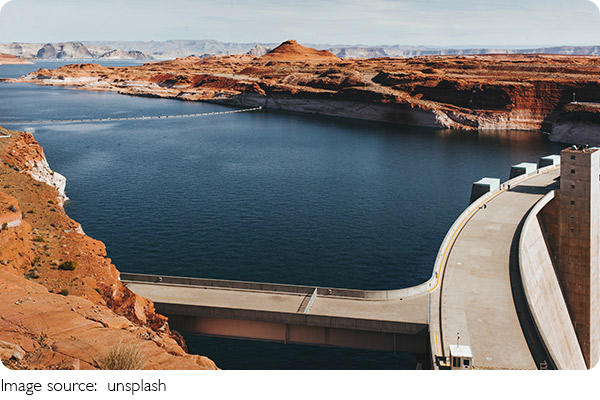
Hydropower generates power by using a dam or diversion structure to alter the natural flow of a river or other body of water. Once that water gets moving through the system, turbines and generators convert that kinetic energy into electricity, which is then fed into the electrical grid to power homes, businesses, and industries. It is kind of like a waterslide, except instead of a splash at the bottom, you get enough juice to run your fridge, your TV, and your seventeen phone chargers simultaneously. The energy available from the moving water depends on both the volume of the water flow and the change in elevation from one point to another. More height, more power. Physics never disappoints.
The Different Types of Hydropower Plants
There are three major types of hydroelectric power plants used to generate electricity, and each type uses a different method for moving a turbine and generating electricity for the grid. The most common type, an impoundment facility, uses a dam to fill a reservoir that stores water, then releases the reservoir water to flow through a turbine that generates electricity. Then there is pumped storage hydropower, which is arguably the coolest one of the bunch. During low energy demand, water is pumped uphill into a reservoir; during peak demand, it is released to generate electricity. It is essentially a giant rechargeable battery made entirely of water and gravity, which sounds like something out of a sci-fi movie but is very much real life.
Why Hydropower Is Pretty Awesome
With its 90% efficiency in converting kinetic energy to electricity, and the fact that no fuels are burnt and no direct emissions are released into the atmosphere, it is often considered a very clean form of electricity generation. That efficiency rating puts it miles ahead of many other energy sources, like that overconfident friend who actually delivers. As long as rivers flow and rain falls, hydropower can continue to generate electricity, and unlike solar or wind, water flow is generally predictable, making hydropower a stable energy source. Independent research suggests that use of hydropower instead of fossil fuels for electricity generation has helped to avoid more than 100 billion tonnes of carbon dioxide in the past 50 years alone. That is a number so big it makes your head spin, but in a good way.
Dams also offer flood control, water supply, irrigation, and recreational opportunities, meaning a single hydropower setup is basically doing five jobs at once and not even complaining about it.
But Wait, There Are Some Downsides Too
No superhero is without a weakness, and hydropower is no exception. Dams can block fish migration, alter habitats, and change natural river flows. Fish ladders are one popular fix, though developing the right technique to attract the fish in order to climb the ladder is a complicated matter, while finding a good location is oftentimes very challenging. In tropical regions, reservoirs may emit methane due to decomposing vegetation underwater, which is a sneaky little environmental curveball. And on the practical side, hydropower reservoirs depend on weather trends and precipitation to stay full, impacting reliability as droughts and other conditions related to climate change become more common.
The Future of Hydropower
The IEA and the International Renewable Energy Agency state that to achieve a cost-effective and feasible global net-zero energy system by 2050, the existing capacity of hydropower will need to be doubled, reaching between approximately 2,500 GW to 3,000 GW, including pumped storage hydropower. That is a serious growth target, and the world is taking it seriously. Hydropower is an ideal complement to variable renewables like wind and solar, thanks to its flexibility and energy storage services. Together, they form a kind of clean energy dream team, each covering the other's off days.
Hydropower is truly one of nature's most efficient gifts to humanity. It is clean, reliable, ancient in its roots, and very much part of our future. Whether it comes from a towering dam or a tiny stream-powered turbine, the message is clear: water works hard so we do not have to. Next time you flip on a light switch, maybe give a quiet nod to the river that made it happen. And if you found this piece refreshing, share it with a friend who still thinks electricity just "comes from the wall"!