Wind Power: Nature's Gift

Pardeep Singh
| 28-05-2026
 · News team
Hi, Readers!
You know that satisfying feeling when the breeze hits your face on a hot day and you think, "Wow, free air conditioning"?
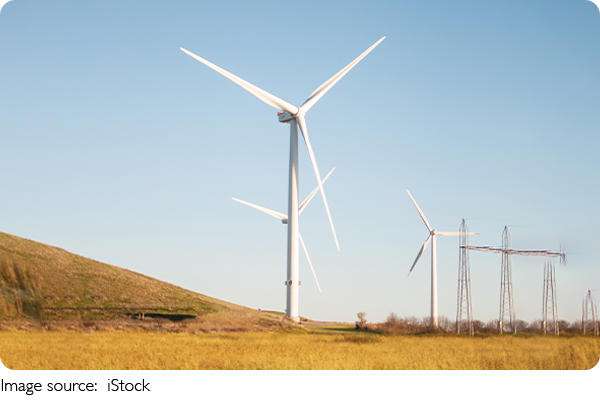
Well, engineers basically looked at that same breeze and thought, "Wow, free electricity." That's wind power in a nutshell, and it might just be the most brilliant use of something we've been ignoring since forever.
So Where Does Wind Actually Come From?
Wind energy is actually a byproduct of the sun. The sun's uneven heating of the atmosphere, the earth's irregular surfaces like mountains and valleys, and the planet's revolution around the sun all combine to create wind. Think of it like the planet's own ventilation system, running 24/7 with zero electricity bill. Since wind is in plentiful supply, it's a resource for as long as the sun's rays heat the planet. In other words, unless the sun suddenly ghosts us, we're good.
How Does a Wind Turbine Actually Work?
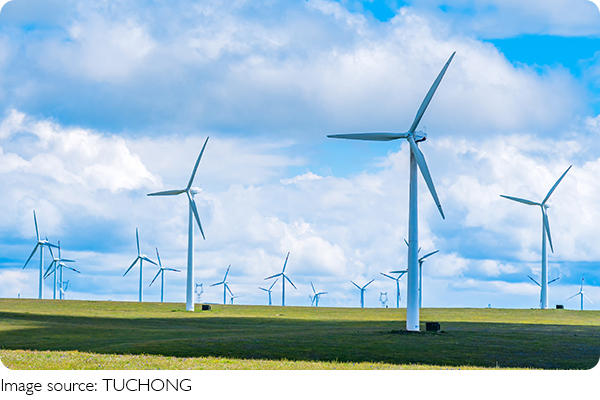
Here's where things get delightfully nerdy. A wind turbine turns wind energy into electricity using the aerodynamic force from the rotor blades, which work like an airplane wing or helicopter rotor blade. That's right, those giant spinning things on hillsides are basically flying without going anywhere. When wind flows across the blade, the air pressure on one side of the blade decreases. The difference in air pressure across the two sides of the blade creates both lift and drag. The force of the lift is stronger than the drag and this causes the rotor to spin. It's physics doing all the heavy lifting, quite literally.
The rotor connects to the generator, either directly if it's a direct drive turbine, or through a shaft and a series of gears called a gearbox that speed up the rotation and allow for a physically smaller generator. From spinning rotor to usable electricity, it's like a relay race where wind passes the baton to blades, blades to gears, gears to generator, and generator to your phone charger. Smooth handoff, every time.
Big, Bigger, and Offshore Gigantic
Size is a pretty big deal in the turbine world. The longer the turbine blades and therefore the greater the diameter of the rotor, the more energy a turbine can capture from the wind and the greater the electricity-generating capacity. Generally speaking, doubling the rotor diameter produces a four-fold increase in energy output. Now that's what you call a good deal for going big.
Land-based wind turbines range in size from 100 kilowatts to as large as several megawatts. Larger wind turbines are more cost effective and are grouped together into wind plants, which provide bulk power to the electrical grid. And then there's the offshore crowd. Offshore wind turbines tend to be massive, and taller than the Statue of Liberty. They do not have the same transportation challenges of land-based wind installations, as the large components can be transported on ships instead of on roads. Basically, they're the overachievers of the turbine family.
Why Should We Even Care?
Glad you asked! The two biggest reasons for using wind to generate electricity are the most obvious ones: wind power is clean, and it's renewable. It doesn't release harmful gases like CO2 and nitrogen oxides into the atmosphere the way coal does. Your lungs will thank you.
A typical large wind turbine can generate up to 1.8 MW of electricity, or 5.2 million KWh annually, under ideal conditions, enough to power nearly 600 households. Six hundred households from one spinning tower. That's not just impressive, that's jaw-dropping. And on the global stage, in 2025, wind supplied about 2,700 TWh of electricity, which was over 8% of world electricity. 30 countries generated more than a tenth of their electricity from wind power, and wind generation has nearly tripled since 2015.
Wind's Not Perfect, But It's Trying
Look, no energy source is flawless. Wind turbines can't always run at 100 percent power like many other types of power plants, since wind speeds fluctuate. It's a bit like relying on your friend who's only available "when the vibe is right." But the good news is that technology keeps getting smarter. Wind energy is a renewable energy source that helps in reducing CO2 emissions being released into the atmosphere. Wind farms can be easily dismantled once they are no longer needed, without leaving an environmental footprint, so the land can be reused for other purposes. That's a pretty clean exit strategy.
Wind power is not just some futuristic idea, it's already out there spinning away on hillsides and coastlines, quietly keeping your lights on without making a fuss. Next time you feel a breeze, give it a little nod of appreciation. It's doing more work than you think, and it never asks for a day off.