Solar, Wind & EVs

Caleb Ryan
| 28-05-2026
 · News team
Hi, Friends!
If the future of energy had a superhero squad, it would look like this: a solar panel sunbathing on your rooftop, a wind turbine doing its perpetual spin class outside, and an electric vehicle sitting in your driveway pulling double duty as the team's battery pack.
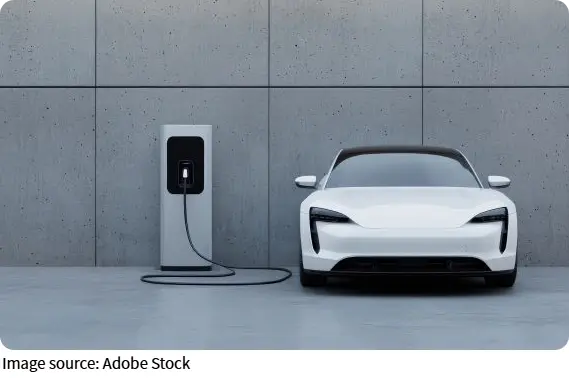
Sounds like a comic book? It's actually the energy revolution already knocking on your door, and it's moving faster than most people think.
Why These Three Are Better Together
Think of solar, wind, and electric vehicles the way you'd think of a great cooking trio: salt, pepper, and garlic. Each one is fine on its own, but together? Absolutely unbeatable. Your solar panels generate electricity when there's no breeze, and your wind turbine works through the night when your solar panels are inactive. That's a natural tag-team right there. Hybrid renewable energy systems combine solar panels and wind turbines to maximize energy generation, taking advantage of both sun and wind, allowing them to produce power more consistently throughout the day and across different seasons. And when you plug an EV into that mix? You now have a rolling battery on your hands that can store all that clean energy and use it on demand.
The EV: Way More Than Just a Car
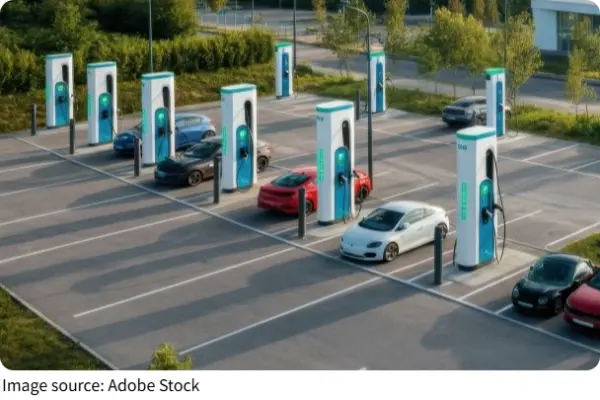
Here's the part that blows most people's minds. Your electric car isn't just a car anymore. The new electric vehicles are poised to become so much more than cars. In the future, they won't just get people to and from work and the grocery store. They'll help keep the lights on at the office and ensure that the grocery store's freezer cases are cooled by clean, renewable energy. That's right. Your EV moonlights as a power plant. This is where EVs' big and ubiquitous batteries could play a starring role by storing renewable electricity and feeding it back to the grid at strategic times, an arrangement known as vehicle-to-grid, or V2G. So when the sun goes down and the wind takes a break, your car steps up like that reliable friend who always shows up with snacks.
Charging Smart: Let the Sun and Wind Pay Your Bills
Now here's the real kicker. Owning an EV is a big step toward reducing your carbon footprint, but charging it from the regular power grid may not be as clean as you think. Depending on your location, the electricity you use might still come from fossil fuels. That's the sneaky part nobody talks about at dinner parties. When you add rooftop solar into the mix, you take control of where your charging power comes from. Every mile you drive can be powered by renewable energy you generate yourself. Layer in wind power, and you've essentially cut the cord from the fossil fuel machine entirely. Solar and wind power are renewable and sustainable, meaning they will not deplete as quickly as fossil fuels, and they are frequently less expensive and more dependable in the long run because they are not subject to price fluctuations caused by global events or market changes.
The Smart Grid: The Brains of the Operation
None of this trio works without a smart system tying them together, and that's where technology steps in like the group chat organizer everyone secretly relies on. It is a system for coordinating thousands of solar panels on rooftops, batteries in basements, electric cars in driveways, and flexible demand in homes and factories, so that together, they behave like a single, reliable generator. Software platforms monitor thousands of connected devices in real time, nudging them to consume more power when electricity is plentiful and cheap, and less when the grid is strained. A battery might discharge for a few minutes; an air conditioner might pause briefly; an electric car might delay charging until later in the night. It's basically your home becoming its own tiny power utility, except you're the CEO.
A Future That's Already Arriving
A growing body of research suggests that within a decade or two, EV batteries could single-handedly stabilize a solar- and wind-based electric grid. Meanwhile, electricity demand from electric vehicles is projected to rise from 115 TWh today to around 1,000 TWh by 2030 in the Stated Policies Scenario. And renewables are already showing up in force. Nearly 18% of national retail electricity sales in 2023 came from wind, solar, and geothermal, up from 6% in 2014. The direction is clear, the momentum is real, and the tech is ready. The fact that wind and solar already generate enough energy to replace global gasoline demand underscores their potential to displace fossil fuels at scale. As clean electricity and electric vehicles continue to scale rapidly, the world has a clear opportunity to increase energy independence and bring down energy costs.
The solar-wind-EV trio is not a distant sci-fi fantasy. It's a practical, proven, and increasingly affordable way to power your life without the guilt, the gas station, or the grid anxiety. Whether you start with rooftop panels, a home wind setup, or simply plugging your EV into a smarter charger, every step forward counts. The future energy triangle is here, and honestly, it's a pretty great team to root for.