Solar Energy Explained

Mariana Silva
| 28-05-2026
 · News team
Hi, Friends!
You know that moment when your electricity bill shows up and you nearly choke on your morning coffee?
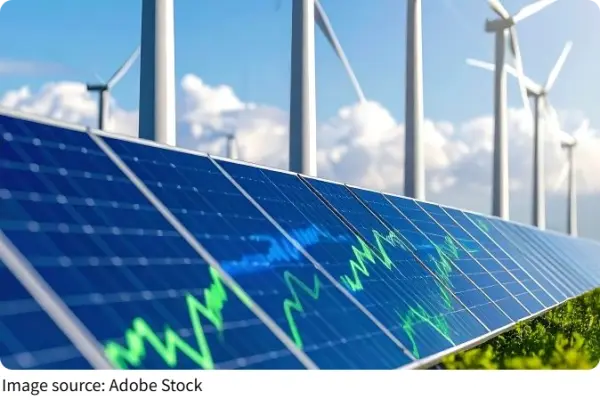
What if the answer to that monthly gut-punch was just... hanging out on your roof, soaking up rays? That's solar energy in a nutshell, and it's honestly one of the coolest things happening in the green energy world right now.
What Exactly Is Solar Energy?
Solar power is energy from the sun that is converted into thermal or electrical energy. Think of the sun as a cosmic nuclear reactor that nobody had to build, maintain, or pay a utility bill for. Solar energy is the cleanest and most abundant renewable energy source available. And here's the jaw-dropper: the amount of sunlight that strikes the earth's surface in an hour and a half is enough to handle the entire world's energy consumption for a full year. That's not a typo. One and a half hours. We've just been sleeping on it.
How Does It Actually Work?
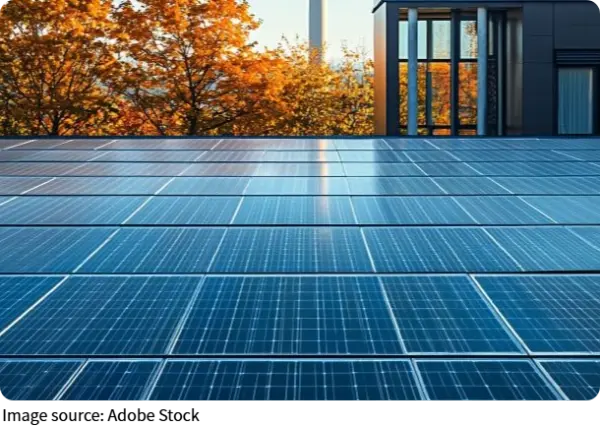
There are two main types of solar energy technologies: photovoltaics (PV) and concentrating solar-thermal power (CSP). You're likely most familiar with PV, which is utilized in solar panels. When the sun shines onto a solar panel, energy from the sunlight is absorbed by the PV cells in the panel. This energy creates electrical charges that move in response to an internal electrical field in the cell, causing electricity to flow. It's basically like poking a bunch of tiny electrons and yelling "run!" -- except way more scientifically elegant.
Materials like silicon help make electricity efficiently. Doped semiconductors make electrons move better, boosting energy conversion. But here's the catch: in order to use that electricity to power our lives, we have to convert it from direct current (DC) power to alternating current (AC) power. To do this, the solar panel is attached to a device called an inverter, which changes the electricity from DC to AC. From there, 100% clean electricity is sent off for use in homes, businesses and more.
What About Cloudy Days and Nighttime?
Here's where people usually start sweating. Good news: solar panels still generate electricity on cloudy days, although not as effectively as sunny days. Solar panels can capture both direct and indirect light, but perform at around 10-25% of their normal efficiency when it's cloudy. And for the night shift problem? Solar battery backups allow you to use solar energy even at night. The solar batteries charge during peak solar times, when the sun is at its highest. Once the sun sets, the electricity in the battery storage will power your home until the sun rises. Your home basically gets its own little energy savings account. Pretty sweet deal.
Two Main Types of Solar Tech
Solar technologies can harness this energy for a variety of uses, including generating electricity, providing light or a comfortable interior environment, and heating water for domestic, commercial, or industrial use. There are three main ways to harness solar energy: photovoltaics, solar heating and cooling, and concentrating solar power. At the residential level, monocrystalline solar cells offer higher efficiency, typically around 20-25%, and a sleek black appearance, while polycrystalline cells generally achieve efficiencies just over 18-21%, with a more blue, marbled look. Choosing between them is like picking between a sports car and a reliable sedan -- depends on your budget and your roof space.
The Money Side of Things
Let's talk dollars, because this is where solar gets really fun. Solar panels save homeowners an average of $1,000 to $1,500 annually, and most homeowners reportedly save between $20,000 and $96,000 on utility bills over the lifetime of their solar panels. On top of that, buying a solar energy system will likely increase your home's value. Solar photovoltaic panels are viewed as upgrades, just like a renovated kitchen or a finished basement, and home buyers across the country have been willing to pay a premium for a home with an average-sized solar array.
And if your panels happen to produce more electricity than you need? If your solar array is tied to the grid, excess energy produced by your panels can be sold back to the grid, further reducing your overall power costs. You go from energy consumer to energy contributor. Honestly, that's a pretty cool glow-up.
Low Maintenance, Long Lifespan
Solar panels require very little maintenance, as they are made of durable materials like tempered glass and aluminum and have no moving parts. And they're built to last: solar panels last around 25 to 30 years and can provide some or all of the electricity you use. That's like buying a reliable appliance that quietly does its job for three decades without a single complaint. If only everything in life worked like that.
Solar energy is not just a trendy buzzword -- it's a genuinely powerful shift in how we power our lives. From the science of photovoltaic cells to the satisfying joy of watching your electricity bill shrink, going solar is one of those decisions that's good for your wallet, your home, and the planet all at once. If you've been sitting on the fence about it, maybe it's time to let the sun make the decision for you. Give it a shot, Lykkers -- the sun's not going anywhere!