Wind, Solar & Thermal Power

Ethan Sullivan
| 28-05-2026
 · News team
Hi, Friends!
If the power grid were a restaurant, wind and solar would be the trendy new chefs who only show up when the weather is right, and thermal power would be the reliable kitchen veteran who never calls in sick.
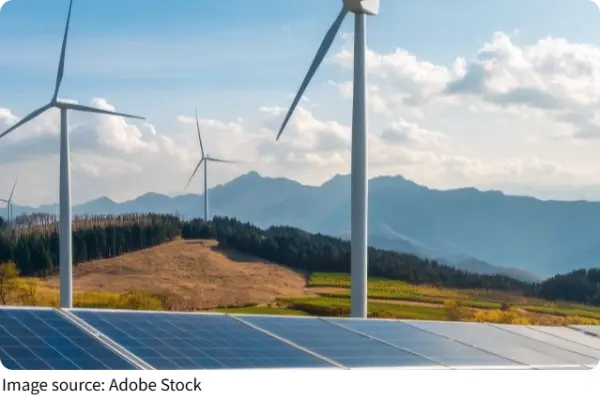
That, right there, is basically how the modern energy system works. So let's break down how these three characters actually pull off their teamwork without the whole thing falling apart.
Solar: The Daytime Diva
Solar panels generate electricity at peak sunlight hours, which sounds great until you remember that the sun clocks out every evening. Solar panels generate energy by absorbing photons from the sun, and solar panels are only effective during the day and are most effective when the sun strikes them at a 90° angle. So yes, brilliant performer by day, completely absent at night. Very diva energy.
Wind: The Night Owl on the Team
Here is where the tag-team magic begins. At nighttime, the lower temperatures create stronger winds and a higher air density, which increases the energy output for wind turbines. Meanwhile, wind turbines produce more electricity during cloudy periods, storms, nighttime, and seasonal transitions when solar generation decreases. It is almost like wind and solar looked at each other's schedules, shrugged, and said, "We'll take turns." Solar power is most abundant during the day when the sun is shining, while wind power is often strongest at night or during cloudy days. By using both systems together, the peaks and valleys in energy production can be smoothed out, resulting in a more stable and reliable source of renewable energy.
Why Combining Them Is Genius
Think of it like a relay race where neither runner ever has to stop. The fundamental principle behind the success of solar wind hybrid power systems is the complementary nature of solar and wind resources, as sunlight is more prominent during the day and wind is more prevalent during the night or low-solar conditions, such as during a storm or under cloud cover. By using both systems together, the variability of each can be smoothed out, creating a more consistent energy supply. This means that even on days when the wind is not blowing, solar panels can continue to generate electricity, and vice versa. In turn, this can help to reduce the risk of power outages and ensure a reliable energy supply. Basically, when one slacks off, the other picks up the slack. Best coworkers ever.
Enter Thermal Power: The Dependable Anchor
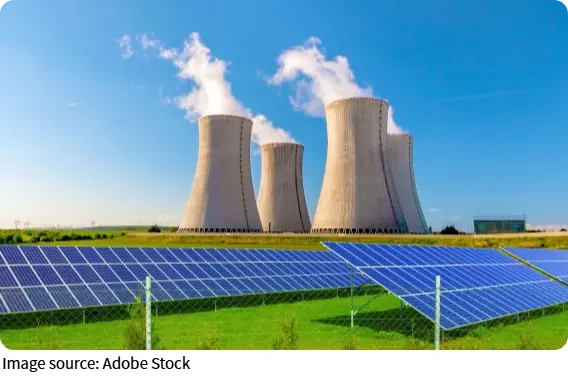
Now, even the best wind-solar duo can have an off day. Cloudy AND calm? It happens. That is exactly where thermal power plants strut in, calm and unbothered. If a large solar farm suddenly drops output due to cloud cover, the grid needs rapid backup power, often from natural gas plants, to maintain stable frequency and voltage. Conventional thermal capacity, including coal, gas, and nuclear, provides near 100% capacity credit when available and dispatchable. Think of thermal power as the grid's emergency fund. You hope you do not need it every day, but you are really glad it is there when things go sideways.
The Big Three Working as One System
The real beauty is how these three sources are coordinated rather than competing. Considering the peak regulation characteristics of different types of power sources, the joint dispatch model of complementary utilization of various generation methods like wind, solar, and thermal is of great significance for the economic dispatch of the power system. Traditional thermal power generation faces issues such as ramp rate limitations, while the generation mode of hydropower units is more flexible, allowing them to complement thermal power generation and enhance the utilization rate of the system's generation resources. In short, it is less of a competition and more of a carefully planned shift schedule. Wind handles the nights, solar dominates the afternoons, and thermal fills the gaps.
Stability Is the Name of the Game
Running all three together is not just about having more power. It is about keeping the grid from throwing a tantrum. With modern grid-forming controls, wind turbines can stabilize power in ways similar to a thermal generator, which is a key feature in adding stability to the grid. Grid inertia is caused by turbines or rotating generators in power plants. This equipment keeps spinning with inertia for some time even after losing propulsion, giving operators time to deal with system failures before total loss of power. When the whole trio works together, the grid stays smooth, steady, and far less likely to ruin your evening with a blackout.
So next time the lights are on at 2 AM on a stormy night, give a little nod to the wind turbines doing the heavy lifting, the solar panels resting up for tomorrow, and the thermal plant quietly holding everything together in the background. They are a power trio in every sense of the word, and honestly, they deserve way more credit than they get.