Can Home Solar Panels Save?

Arvind Singh
| 28-05-2026
 · News team
Hi, Friends!
If you have been eyeing those sleek panels on your neighbor's rooftop and wondering whether they are actually worth it, you are not alone.
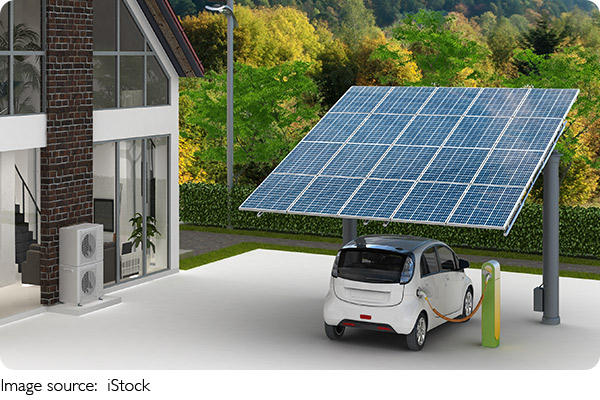
The question of whether home solar panels truly save money is one of the most talked-about topics among homeowners right now, and honestly, it is a pretty exciting one to unpack together.
The Short Answer Is Yes
Solar panels do save you money. However, the amount you save depends heavily on where you live. That might sound a little vague, but stick with us, because the details are genuinely encouraging. The average U.S. homeowner saves about $61,000 over 25 years by going solar. That is not pocket change. That is life-changing money just from harnessing what the sun freely gives every single day.
Even with lower electric bills or a system that does not cover 100% of your electricity needs, the savings add up. Most solar shoppers save between $37,000 and $154,000 on electricity over 25 years. That is a pretty wide range, which brings us to the factors that shape your personal savings.
What Affects How Much You Save
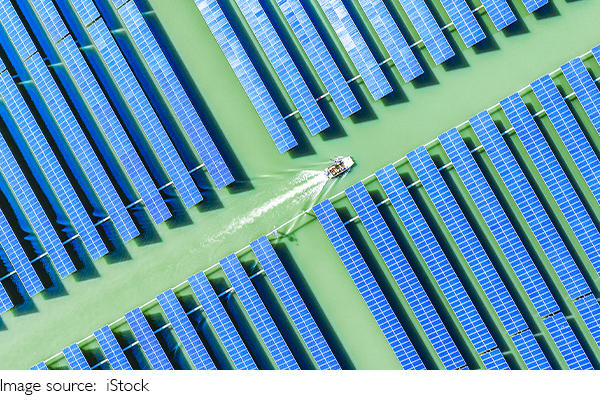
How much you save depends on several factors: your location, current energy usage, the size of your solar panel system, and most importantly, the price you pay for electricity. The higher your rates, the faster your savings accumulate.
Solar panels save the most money in places where utilities offer net metering. Net metering policies provide homeowners with electricity bill credits equal to the retail rate of electricity and can completely eliminate monthly utility energy costs. That means in some cases, your electricity bill could literally drop to zero.
Solar panels also work best in places with lots of sun exposure and cool temperatures. Cloud cover reduces the amount of solar energy a system produces, but can still significantly reduce electricity costs. So even if you do not live somewhere gloriously sunny, there is still genuine value to be found.
Home solar panel systems should ideally be installed on south-facing roofs that do not get shaded by trees or other buildings and have few obstructions like chimneys and skylights. Worth checking before you commit!
The Upfront Cost Reality
Let's be real with each other for a moment. The up-front cost to install solar panels has fallen significantly over the years, but it is not cheap. The average U.S. homeowner requires an 11-kilowatt solar panel system to cover their electricity usage. For a system that size, you can expect to spend just over $22,000 after federal tax credits.
It takes an average of eight years to break even on your solar panel installation costs, even with incentives. That payback period sounds long, but think about it this way: when the payback time is less than 10 years, most homeowners find that an investment in solar power is financially more attractive than any other low-risk investment they could make.
Panels start working immediately, saving you money as soon as they are installed. And most solar energy systems will last more than 30 years, so you can expect even more substantial long-term savings.
When Solar Might Not Be Worth It
We want to be honest with you, because you deserve the full picture. If you pay less than $75 per month for electricity, installing solar panels probably is not worth it for you. The primary way solar saves you money is by offsetting electricity costs with free electricity from the sun. If you are paying less than 10 cents per kWh, the payback period extends significantly. Your 25-year savings may still be positive, but the return on investment will be slower.
Solar panels are not worth it for everyone, including those who do not spend a lot on electricity, do not have the space for them, or plan to sell their home in the near future.
The Bonus Perks Beyond Savings
Here is something that often gets overlooked in the money conversation. Solar panels can even increase home value by an average of 6.8%! That is a beautiful bonus if you do plan to sell someday.
Financial returns are a compelling reason to invest in renewable energy, but money is not the only thing solar panels save. When you install solar, you also reduce CO2 emissions by limiting your fossil fuel consumption. If you care about renewable energy, lowering your carbon footprint, and protecting yourself from rising energy costs, the value goes beyond the dollar amount on your monthly electricity bill.
At the end of the day, home solar panels really can save you a meaningful amount of money, but the key is knowing your own situation first. Check your electricity bills, look into your local net metering policies, and explore available incentives in your area. The sun is out there working for free every day. The real question is whether you are ready to let it work for you too. We would love to hear your thoughts, Lykkers!