What Is Bitcoin, Really?

Pardeep Singh
| 09-06-2026
 · News team
Hi, Friends! If you've ever heard someone talk about Bitcoin and felt a little lost, you're so not alone.
It sounds techy, maybe even a little intimidating. But honestly, once you break it down, it's one of those things that just clicks. Let's walk through it together, nice and easy.
So, What Exactly Is Bitcoin?
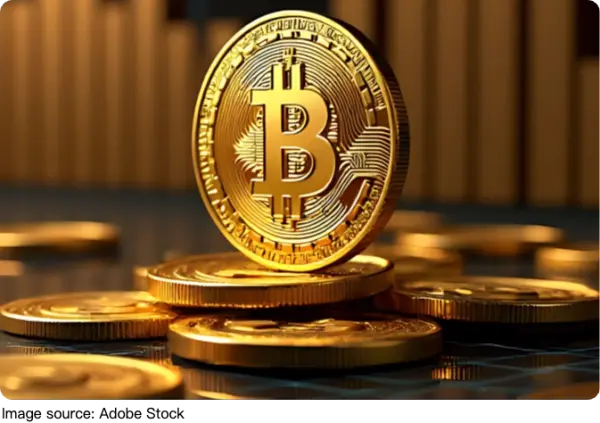
Bitcoin is digital money that allows for secure peer-to-peer transactions on the internet. Which rely on the traditional financial system for permission to transfer money, Bitcoin is decentralized: any two people, anywhere in the world, can send Bitcoin to each other without the involvement of a bank, government, or other institution.
Pretty remarkable, right? Think of it like handing cash directly to a friend, except it happens online, across any distance, without anyone in the middle watching over your shoulder.
Who Created It and Why?
Bitcoin was created in 2008 after the financial crisis by an unknown person or group using the pseudonym Satoshi Nakamoto. The original aim was to make a type of money that people could send directly to each other over the internet, without having to go through a bank or any other third party.
That origin story matters because it tells you everything about the spirit behind Bitcoin. It was built out of a desire for freedom, transparency, and trust that didn't depend on big institutions.
How Does It Actually Work?
Every transaction involving Bitcoin is tracked on the blockchain, which is similar to a bank's ledger, or log of customers' funds going in and out. In simple terms, it's a record of every transaction ever made using Bitcoin. Unlike a bank's ledger, the Bitcoin blockchain is distributed across the entire network. No company, country, or third party is in control of it, and anyone can become part of that network.
A blockchain is a digital ledger recording transactions, maintained across several computers linked in a peer-to-peer network. Each block in the chain contains a number of transactions, and when a new transaction occurs, it's added to every participant's ledger.
This decentralized and public verification process makes it nearly impossible to alter transaction records, enhancing security. So in a way, millions of computers around the world are quietly keeping each other honest. That's a beautiful kind of teamwork.
What Makes Bitcoin Special?
There will only ever be 21 million bitcoin. This is digital money that cannot be inflated or manipulated in any way. That limited supply is a really big deal. Bitcoin has a fixed limit of 21 million coins, in stark contrast to government-issued currencies, which can be printed in unlimited quantities.
Governments often print more money to manage national debt or stimulate spending, but this can devalue the currency over time. Bitcoin's capped supply means it could become more valuable as it becomes more scarce, classifying it as a deflationary asset, which is less likely to be devalued by such government actions.
How Do People Use Bitcoin?
People use Bitcoin for a variety of reasons. For some, Bitcoin is a store of value akin to digital gold, because its fixed supply makes it scarce. Alex Gladstein, a human rights advocate, states that with Bitcoin, your phone acts as your bank, allowing individuals to earn and save by themselves without an ID or government reliance while connecting with anyone globally.
For others, Bitcoin is an easy and cheap way to transfer value due to its digital nature and often inexpensive fees. Still, some people use Bitcoin because they are intrigued by its potential and enjoy experimenting with new technologies.
It isn't necessary to buy an entire bitcoin: you can buy just a fraction of one if that's all you want or need. So even if the price feels high, there's no pressure to go all in. You can start small and simply learn as you go.
Where Do You Keep Bitcoin?
Bitcoin is stored in a digital wallet application on a computer or smartphone. Cryptocurrency wallets are among the best ways to keep Bitcoin secure. Software wallets enable users to keep only a small amount of bitcoin on a computer or mobile phone for everyday use, with the balance kept in a separate offline wallet.
For those who want extra security, hardware wallets are physical devices, such as a flash drive, that store a user's private keys. Even when connected to another device, the private keys are never exposed, as signed transactions are completed on the device.
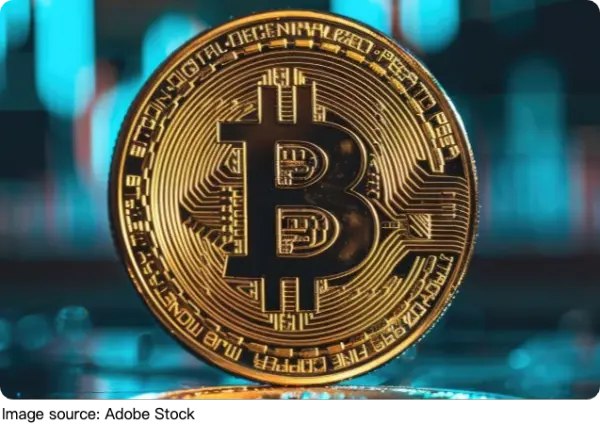
At the end of the day, Bitcoin is more than just a trend or a tech buzzword. It's a genuinely new way of thinking about money, ownership, and trust. Whether you're curious about it as an investment, as a tool for sending value to someone you love across the world, or just as a fascinating piece of modern history, it deserves to be understood with an open mind.
So take your time, ask questions, and explore at your own pace. You've already taken the first step, and that counts for a lot!