Decentralized Currency Rise

Elena Rossi
| 28-05-2026
 · News team
Hi, Friends!
Let's talk about something that's quietly changing the financial world around us.
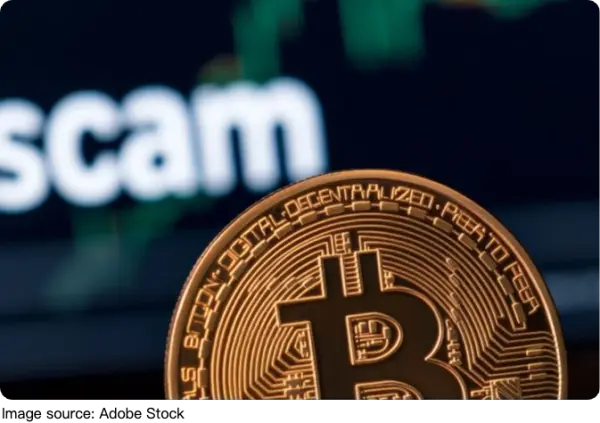
You might have heard words like "crypto," "blockchain," or "DeFi" floating around, and maybe you've wondered what any of it actually means for you and your everyday life. Well, buckle up, because the rise of decentralized currency is one of the most fascinating shifts happening in money right now.
What Is Decentralized Currency, Exactly?
Decentralized currency refers to a type of digital currency that operates on a decentralized network, such as a blockchain, without the need for a central authority or intermediary. It allows for peer-to-peer transactions, providing users with control over their funds and eliminating the need for traditional banking systems. These currencies are often based on cryptographic principles, ensuring security and privacy. In simpler terms, it's money that no single government, bank, or institution controls. Unlike traditional fiat currencies, which are issued and regulated by central banks or governments, decentralized currencies are not controlled by any central authority. That's a pretty big deal when you stop to think about it.
How It Challenges the Old System

For decades, banks have been the gatekeepers of our money. Want to send cash overseas? Go through a bank. Need a loan? Ask a bank. But where traditional banking requires users to place faith in a chain of intermediaries, each with the power to block transactions, charge fees, or fail entirely, Bitcoin offers a system of monetary interaction with no single point of failure. That kind of resilience is genuinely exciting. Over the last decade, the green shoots of a new economic order have emerged as decentralized technologies challenge traditional financial systems. Decentralized finance holds the potential to transform international business by offering accessible financial services across borders, disrupting traditional intermediaries, and promoting financial inclusion.
The Real Benefits for Everyday People
One of the most heartwarming aspects of this whole movement is how it opens doors for people who have long been left out. Decentralized currencies enable individuals without access to traditional banking systems to participate in the global economy. This financial inclusion can empower underserved populations and promote economic growth. And it doesn't stop there. Traditional financial systems often involve intermediaries that charge fees for transactions. Decentralized currencies eliminate the need for intermediaries, resulting in lower transaction fees for users. With decentralized currencies, transactions can be conducted across borders without the need for currency conversions or intermediaries, facilitating faster and more efficient cross-border transactions.
With the use of DeFi in crypto or banking, peer-to-peer financial services like lending and borrowing are possible without credit checks or waiting for approval from an entity. For someone who has ever been turned down by a bank or felt trapped by bureaucracy, that access feels genuinely life-changing.
What Traditional Finance Is Up Against
Let's be honest, traditional banks aren't just sitting still. PwC reports indicate that traditional banking may face major disruption between 2025 and 2030. Banks must find a way to retain their core advantages of a more familiar, proven, and branded reputation while slowly adopting AI and digital computing trends to offer beyond basic financial services. In traditional finance, operations are often opaque and rely heavily on government regulators to monitor and detect potential discrepancies or illicit activities. DeFi flips this on its head by making transaction records visible and verifiable on a public blockchain.
Smart contracts and blockchain technology provide a transparent and secure way to conduct transactions. DeFi platforms don't rely on centralized financial institutions, mitigating the risk of financial collapse or corruption.
The Challenges We Can't Ignore
It wouldn't be a fair conversation if we didn't talk about the bumps in the road. Given that DeFi is mostly unregulated, it is a magnet for fraud and money laundering and lacks consumer safeguards that exist in traditional finance. Access to DeFi faces significant challenges due to various socioeconomic and technological barriers. For example, lack of internet access prevents many individuals in rural or low-income regions from participating in DeFi entirely. These are real concerns that deserve thoughtful attention from developers, regulators, and communities alike.
The permissionless and pseudonymous design of DeFi generates challenges for enforcing tax compliance, anti-money laundering laws, and preventing financial malfeasance. Balancing freedom with responsibility is still an ongoing conversation the world is having.
Where Do We Go From Here?
DeFi's emergence may be quite significant. It doesn't merely point to a new form of financial tech on the horizon; it promises a new financial horizon altogether. In the financial industries, blockchain technology can reduce the involvement of centralized institutions, encourage experimentation, and broaden access to financial services.
The shift is already happening around us, whether we're ready for it or not. Decentralized currency isn't just a tech trend; it's a conversation about who gets to hold power over money, and who gets left behind. The most important thing any of us can do is stay curious, ask questions, and keep learning. The more we understand these systems, the better equipped we'll be to make smart choices for ourselves and our communities. What do you think: is the future of money in our own hands?