Future Car Worth

Chandan Singh
| 25-05-2026
 · News team
Hello Lykkers! A few years ago, a car’s value depended mostly on mileage, mechanical condition, and brand reputation.
Today, another factor is quietly reshaping resale prices: connectivity. Features like real-time navigation, over-the-air updates, app integration, and cloud-based diagnostics are turning cars into evolving digital products rather than static machines—and that changes how they hold value over time.
What “Connectivity” Really Means in Cars
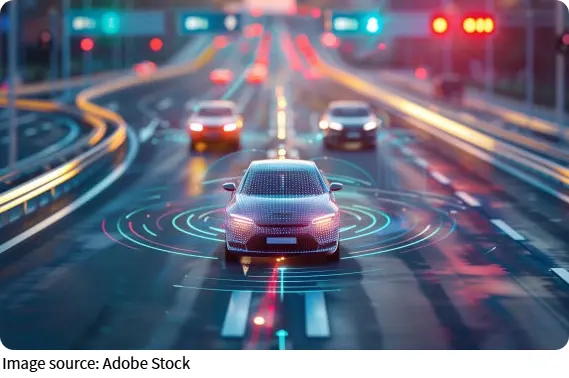
When we talk about connected vehicles, we’re not just referring to Bluetooth or music streaming. Modern connectivity includes internet-enabled dashboards, live traffic systems, remote diagnostics, software updates, and digital performance monitoring.
These features make a car behave more like a smart device. Instead of aging only through physical wear, it can gain improvements through software updates. That shifts how buyers and sellers judge its long-term worth.
A connected car doesn’t stay frozen in its original condition—it evolves.
Why Buyers Value Digital Features
Used car buyers are increasingly evaluating vehicles the same way they evaluate tech products: based on functionality, software support, and digital experience.
A connected car can offer:
- Real-time navigation and traffic updates
- Remote locking, climate control, and tracking
- Improved safety through diagnostics and alerts
- Access to in-car apps and entertainment systems
These features reduce the “age gap” between older and newer models. A car that still receives updates can feel significantly more modern than its production year suggests.
This perception directly influences resale pricing.
Software Updates Slow Depreciation
Traditionally, vehicles lose value quickly because technology becomes outdated. Connected cars change that pattern through over-the-air updates that can improve performance, fix issues, or add features without a physical upgrade.
This reduces functional obsolescence—the speed at which a vehicle becomes outdated in terms of usability.
Slower obsolescence often means slower depreciation, which helps preserve resale value over time.
Market Perspective on Connected Value
Automotive market analysis highlights this shift clearly.
Karl Brauer has observed that modern buyers increasingly weigh technology and software features alongside traditional mechanical condition when evaluating used vehicles. His analysis shows that tech-enabled features can help certain models retain value longer than less connected alternatives.
Trust, Data, and Buyer Confidence
Connectivity also improves transparency in the used car market. Vehicles can generate diagnostic data, maintenance records, and performance insights that make condition assessment easier for buyers.
This reduces uncertainty—a key factor that usually pushes prices down in second-hand markets. When buyers feel more confident about a vehicle’s condition, they are more willing to pay higher prices.
Brand Ecosystems and Long-Term Value
Some automakers build full digital ecosystems around their vehicles, combining apps, services, charging networks, and software platforms. When a car remains part of an actively supported ecosystem, its resale value tends to hold better.
In effect, buyers are not just purchasing a physical asset—they are buying continued access to a digital system.
Conclusion
For Lykkers, the key idea is simple: connectivity is no longer just a convenience feature—it is becoming a value driver. As cars become more software-defined, their resale value depends less on age alone and more on how well they stay updated, connected, and digitally relevant.
In today’s market, a connected car doesn’t just drive—it stays alive in value for longer.