Sustainable Production Gains

Ravish Kumar
| 25-05-2026
 · News team
Hello, Lykkers! Factories often bring one image to mind: large machines, constant energy use, and high operating expenses that never really stop. But something important is changing in modern industry.
Sustainability is no longer just about reducing environmental impact—it is becoming a direct driver of long-term cost reduction and financial efficiency. Sustainable factories are not necessarily cheaper to build, but over time, they often become significantly cheaper to run. The reason lies in how they manage energy, resources, waste, and operational design.
Energy Efficiency: The Biggest Cost Lever
Energy is one of the largest ongoing expenses in manufacturing. Traditional factories often rely on outdated systems that consume far more power than necessary.
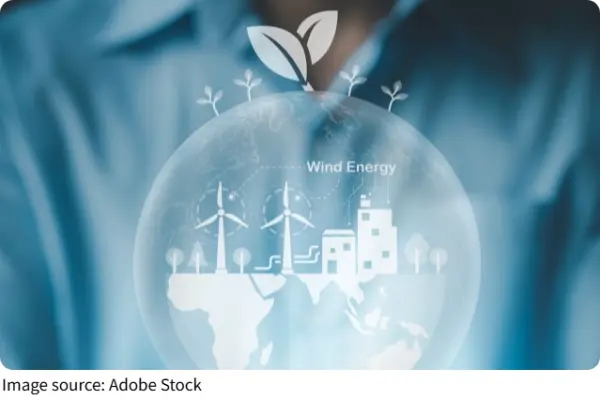
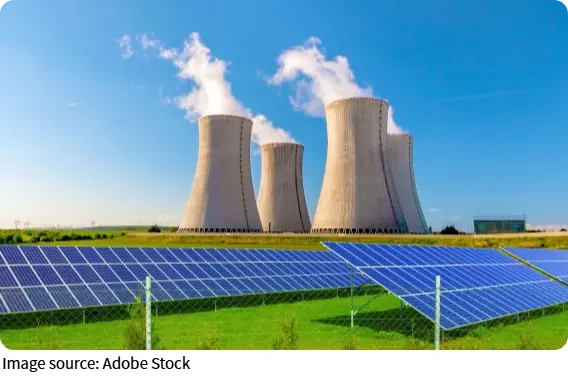
Sustainable factories focus on reducing this waste through smarter systems—high-efficiency motors, optimized heating and cooling, and automated energy monitoring. Some facilities also integrate renewable energy sources like solar or wind to reduce dependence on external grids.
The financial effect is simple: lower energy consumption means lower monthly operating costs. Over time, these savings accumulate into a major financial advantage, especially in energy-intensive industries like steel, textiles, or electronics.
Waste Reduction and Resource Optimization
Another major cost factor in factories is raw material waste. Every unused or discarded material represents lost money.
Sustainable factories are designed to reduce this waste through precision manufacturing, recycling systems, and improved production planning. For example, digital tracking systems can help identify inefficiencies in production lines, reducing excess material use.
Even small improvements in waste reduction can significantly improve margins when scaled across thousands of production cycles. This is why many companies treat sustainability not as an expense, but as a way to recover lost value.
Maintenance and Equipment Longevity
Older factory systems often require frequent maintenance due to inefficiencies and wear. Sustainable factories tend to use newer, more efficient machinery designed for durability and optimized performance.
Predictive maintenance technologies also play a major role. Instead of fixing equipment after it breaks, sensors monitor performance in real time and predict failures before they happen. This reduces downtime, avoids costly emergency repairs, and extends equipment lifespan.
Over time, this leads to more stable and predictable operating costs.
Expert Perspective on Industrial Efficiency
Industrial efficiency research often highlights how sustainability and profitability are increasingly linked.
Michael Porter has long argued that efficiency improvements and environmental responsibility can reinforce each other. His work on the “value chain” shows that reducing waste in operations not only benefits the environment but also directly improves competitive advantage and cost structure.
In manufacturing terms, this means that sustainability is not separate from profitability—it can be a mechanism for improving it.
Regulation and Long-Term Risk Reduction
Operating costs are not just about energy and materials. Regulatory compliance also plays a major role in long-term financial planning.
Factories that fail to meet environmental standards may face fines, restrictions, or expensive retrofits later. Sustainable factories, however, are often designed with compliance in mind from the beginning. This reduces the risk of sudden financial shocks caused by regulatory changes.
In addition, investors and lenders are increasingly favoring companies with strong sustainability practices, which can lower financing costs over time.
Supply Chain Efficiency and Stability
Sustainability also improves how factories manage supply chains. By sourcing materials responsibly and reducing dependency on volatile inputs, factories can achieve more stable pricing and fewer disruptions.
Efficient supply chains reduce delays, lower storage costs, and improve production planning. Over time, this stability translates into more predictable operating expenses and stronger financial performance.
The Long-Term Financial Picture
While sustainable factories may require higher initial investment, their long-term cost structure often tells a different story. Lower energy use, reduced waste, improved equipment lifespan, and fewer regulatory risks all combine to reduce ongoing expenses.
This shifts the financial model from short-term cost focus to long-term value creation. In many industries, this is becoming the key difference between factories that struggle with rising costs and those that remain competitive.
Conclusion
Sustainable factories are not just a response to environmental concerns—they are a practical financial strategy. By improving efficiency across energy, materials, maintenance, and compliance, they reduce long-term operating costs in a structured and scalable way.
For Lykkers, the takeaway is simple: in modern manufacturing, sustainability is no longer just about doing less harm—it is increasingly about doing business more efficiently and more profitably over time.