Green Capital

Santosh Jha
| 25-05-2026
 · News team
Hello, Lykkers! Rural sustainability was once discussed mainly in terms of environmental protection and agricultural progress. Today, it is becoming an important financial story as well. Investors, businesses, and development institutions are paying greater attention to rural regions because sustainability is creating new economic opportunities.
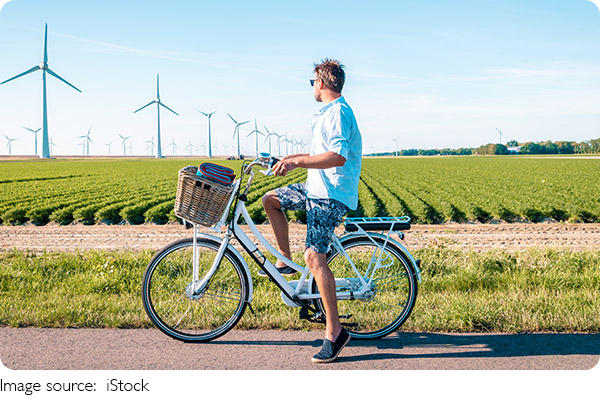
Renewable energy projects, smart agriculture, green infrastructure, and climate-focused initiatives are transforming villages into investment destinations. What was once seen as a traditional rural economy is gradually evolving into a modern growth ecosystem.
Sustainability Creates Investable Assets
One of the biggest reasons rural sustainability attracts capital is that it creates entirely new asset opportunities. Solar installations, renewable energy systems, water management projects, smart farming technologies, and sustainable food production initiatives all require investment and infrastructure support.
These projects do more than improve environmental outcomes; they also generate economic activity and create long-term value. Rural areas that once relied mainly on agricultural output are increasingly diversifying their economies through energy generation, eco-tourism, technology services, and sustainable production systems. For investors, this means rural markets are no longer viewed only through agriculture but as broader investment ecosystems.
Green Infrastructure Encourages Capital Flows
Infrastructure often becomes the foundation of economic growth, and sustainable rural development depends heavily on it. Projects frequently require improvements in transportation networks, renewable energy systems, digital connectivity, irrigation technologies, and modern agricultural facilities.
These investments improve efficiency while supporting long-term productivity. Green infrastructure also aligns with the growing demand for sustainable investing and environmental finance because investors increasingly seek projects capable of delivering both financial returns and measurable development benefits. Rural sustainability fits this model naturally because economic growth and environmental progress develop together.
Technology Is Transforming Rural Economies
Modern rural sustainability is closely connected with innovation. Precision agriculture, smart irrigation, digital monitoring systems, and data-driven farming technologies are improving efficiency and resource management. These tools help reduce waste while increasing productivity. Technology is also changing how investors view rural regions. Agriculture is no longer seen only as a traditional sector; it is increasingly linked with innovation, renewable energy, digital systems, and long-term growth strategies. As a result, agriculture, technology, and sustainability are becoming interconnected industries.
Expert Perspective on Sustainable Investment
Achim Steiner, Administrator of the United Nations Development Programme, has frequently emphasized that sustainable development can create economic opportunity while improving resilience and attracting investment. His perspective reflects a broader trend across global markets where sustainability is increasingly viewed not as a cost but as an economic driver. This shift is encouraging more capital to move toward green development initiatives.
Food Security Adds Strategic Value
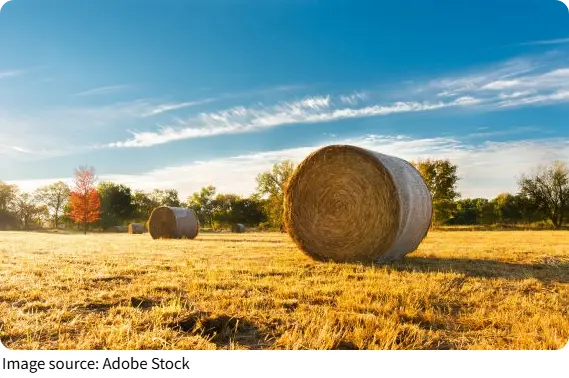
Food systems are becoming increasingly important in investment discussions. As demand evolves and sustainability gains importance, projects that improve agricultural productivity, climate resilience, and supply chain stability are receiving greater attention. Food security is no longer treated only as a development issue; it is increasingly becoming an investment theme. This shift attracts additional funding toward sustainable farming, agricultural infrastructure, and rural innovation because long-term food resilience creates long-term economic value.
The Rise of Rural Investment Ecosystems
Rural sustainability is creating more than isolated projects. It is building entire ecosystems where renewable energy supports agriculture, technology improves productivity, infrastructure attracts businesses, and sustainability strengthens resilience.
Together, these elements transform rural communities into emerging investment environments. The future of green finance may not grow only in major cities. Increasingly, it may begin in villages, farms, and sustainable rural economies.