Green Urban Competitiveness

Caleb Ryan
| 21-05-2026
 · News team
Hello, Lykkers! Green cities are increasingly becoming economic competitors, not just environmental success stories. Around the world, urban centers are using renewable infrastructure, clean mobility systems, energy-efficient buildings, and smart technologies to strengthen investment appeal and long-term growth potential.
Sustainability is no longer operating separately from economic planning—it is becoming part of it. This shift matters because cities generate most global economic activity. As urban areas compete for investment, businesses, and skilled talent, sustainability is emerging as a measurable competitive advantage.
Green Infrastructure as a Competitive Asset
Infrastructure quality has always influenced economic performance, but green infrastructure is expanding that role. Renewable energy systems, electrified transport networks, energy-efficient buildings, and smart grids help reduce operating costs while improving urban efficiency.
For businesses, infrastructure directly affects productivity. Reliable public transport lowers commuting delays, energy-efficient systems reduce costs, and integrated utilities improve operational performance. These improvements can increase urban attractiveness for industries seeking stable and efficient environments.
Green infrastructure is therefore moving beyond environmental policy and becoming an economic asset.
Capital Is Following Sustainable Cities
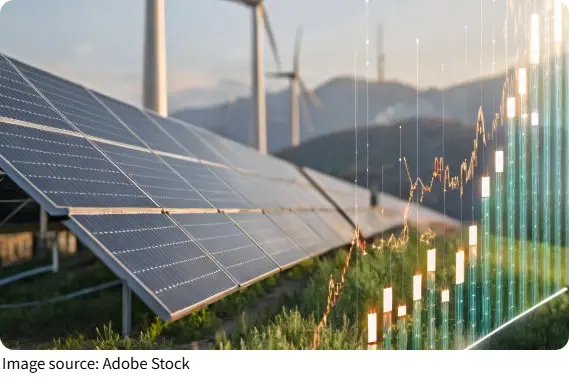
Investment flows are increasingly favoring sustainable urban development projects. Green bonds, climate infrastructure funds, and institutional investors are directing capital toward renewable energy, low-carbon transit systems, and climate-resilient infrastructure.
Urban projects built around sustainability often attract long-term investors because infrastructure assets can generate stable returns while supporting future economic trends.
As cities expand renewable systems and green mobility networks, they become more attractive destinations for infrastructure investment. This creates a cycle where sustainability attracts capital, and capital further strengthens urban competitiveness.
Increasingly, green development is influencing how cities position themselves economically.
Talent Attraction Is Becoming an Economic Driver
Competition among cities is no longer limited to industrial output or tax incentives. Modern economies rely heavily on attracting skilled workers, innovative companies, and knowledge-based industries.
Urban quality now plays an important role in that competition. Clean air, efficient mobility, green spaces, and sustainable development strategies influence where professionals choose to live and work.
Richard Florida, urban economist and researcher specializing in innovation and city development.
Florida has argued that successful cities increasingly depend on their ability to attract talent through livability, innovation ecosystems, and long-term urban quality.
His research suggests that economic competitiveness is influenced not only by financial resources but also by the overall urban experience.
This helps explain why many sustainability-focused cities are simultaneously becoming technology and investment centers.
Productivity Gains Through Sustainable Systems
Green cities may also improve productivity through operational efficiency. Electric transit reduces congestion and travel costs. Smart energy systems optimize resource use, while energy-efficient buildings lower long-term operating expenses.
Climate-resilient infrastructure may provide additional value by reducing disruptions linked to extreme weather and environmental risks.
For businesses and investors, resilience is becoming increasingly important. Cities capable of maintaining reliable operations under changing environmental conditions may gain strategic advantages.
As a result, sustainability is increasingly viewed as part of economic risk management.
Conclusion
Green cities are redefining economic competitiveness by combining sustainability with infrastructure, innovation, and investment strategies.
Their advantage no longer depends only on size or industrial capacity. Efficiency, resilience, investment appeal, and talent attraction are becoming equally important.
As economies continue transitioning toward lower-carbon systems, green urban development may become one of the strongest drivers of future economic value and competitiveness.