Climate Asset Flow

James Carter
| 21-05-2026
 · News team
Hello, Lykkers! Climate-focused investing has moved from being a specialized strategy to a major force shaping global capital markets. Investors today are increasingly directing money toward businesses and projects that support environmental sustainability while also seeking long-term financial growth.
The idea is simple: align investments with the transition to a lower-carbon economy and prepare portfolios for climate-related risks.
Why Climate-Focused Portfolios Are Growing
Climate-focused portfolios invest in assets that contribute to environmental solutions or are better positioned to adapt to climate change. These portfolios often include renewable energy companies, clean technology firms, sustainable infrastructure, green buildings, and climate-resilient industries.
The rise of climate investing is driven by several factors. Governments are introducing stricter environmental policies, businesses are adopting sustainability goals, and investors are paying more attention to risks linked to climate change. At the same time, sectors supporting decarbonization are opening new growth opportunities.
Rather than viewing sustainability as separate from returns, many investors now see climate trends as an important economic signal.

Key Areas of Capital Allocation
Energy Transition Investments
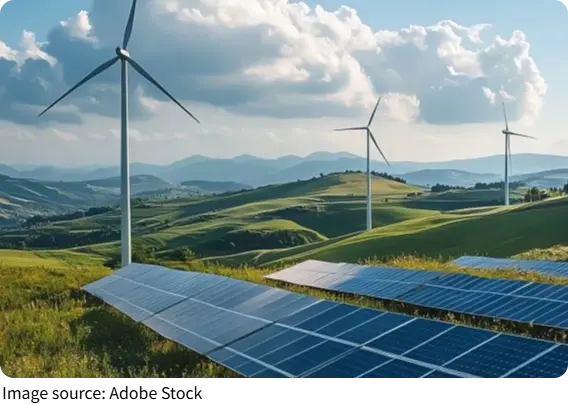
One of the largest destinations for climate capital is the energy transition sector. Investments are flowing into renewable energy projects such as solar and wind power, battery storage, electric vehicles, and grid modernization technologies.
These industries attract investors because of their long-term expansion potential and the increasing global demand for cleaner energy systems.
Climate Adaptation and Resilience
Climate-focused portfolios are also expanding into adaptation investments. While mitigation aims to reduce emissions, adaptation focuses on managing the effects of climate change already taking place.
Examples include water infrastructure, flood protection systems, climate-smart agriculture, and resilient urban development projects. These investments are becoming increasingly important as extreme weather events affect economies and supply chains.
Emerging Market Opportunities
Emerging economies are another area drawing attention. Many developing nations are rich in resources needed for the energy transition, including minerals used in batteries and renewable technologies.
Investors view these regions as potential growth markets while also recognizing the importance of financing sustainable development.
Expert Perspective on Climate Investing
Larry Fink, Chairman and CEO of BlackRock, one of the world’s largest asset managers overseeing trillions in assets, has highlighted the growing financial importance of climate investing.
Fink noted that climate change is driving “a significant reallocation of capital,” emphasizing that climate considerations are reshaping investment strategies across global markets.
His perspective reflects a broader industry view: climate factors are increasingly being integrated into risk analysis, asset allocation, and long-term portfolio planning.
Balancing Sustainability and Performance
A common misconception is that climate investing means sacrificing returns. In practice, investors still balance sustainability goals with diversification, liquidity, risk management, and profitability.
Many portfolios do not completely exclude traditional sectors overnight. Instead, investors often adopt transition strategies—gradually increasing exposure to sustainable assets while maintaining portfolio stability.
This balanced approach allows investors to participate in emerging climate opportunities without abandoning broader financial objectives.
Looking Ahead
Climate-focused portfolios are evolving beyond ethical investing into mainstream capital allocation strategies. Investors are increasingly directing resources toward clean energy, adaptation solutions, and resilient infrastructure because these areas may play a major role in the future economy.
For modern investors, climate is no longer only an environmental issue—it has become an investment consideration shaping how capital is allocated worldwide.