Clean Power Expansion

Chandan Singh
| 15-05-2026
 · News team
Hello, Lykkers! Electricity powers modern life, from homes and hospitals to businesses and technology. As energy demand rises, traditional power systems face challenges like high costs and aging infrastructure.
That is why sustainable electricity systems are gaining attention. Renewable energy sources such as wind, solar, and smart grid technologies are not only supporting cleaner energy but also creating major business and investment opportunities worldwide.
The Shift Toward Sustainable Power
For decades, many economies depended heavily on fossil fuels for electricity generation. While these systems supported industrial growth, they also created challenges such as pollution, price volatility, and long-term energy insecurity.
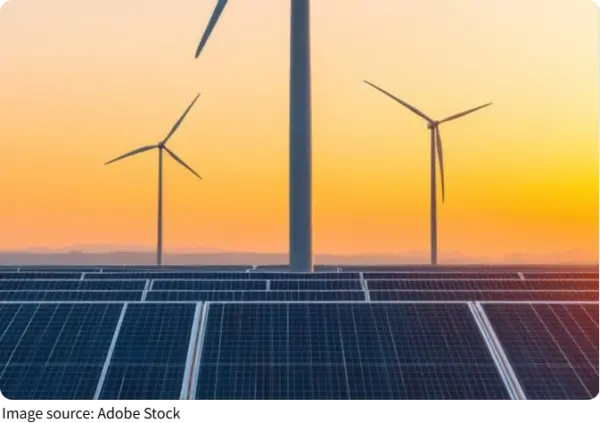
Sustainable electricity systems aim to solve these problems by using cleaner and more efficient energy sources. Wind farms, solar parks, battery storage systems, and smart electricity networks are becoming increasingly common around the world.
One major reason behind this shift is falling technology costs. Renewable energy equipment has become more affordable and efficient over time, making sustainable electricity more financially competitive.
Many countries now view renewable power as both an economic strategy and an energy security investment.

Why Businesses Are Investing Heavily
Sustainable electricity systems have opened entirely new markets for businesses and investors. Companies involved in renewable energy production, battery technology, energy storage, grid modernization, and clean infrastructure are experiencing strong financial growth.
Large corporations are also investing directly in renewable electricity to reduce long-term energy costs and meet sustainability goals. Tech companies, manufacturing firms, and data centers increasingly rely on clean energy contracts to power operations.
This demand is driving rapid expansion across the renewable energy industry.
Governments are also encouraging investment through incentives, funding programs, and infrastructure projects. As a result, billions of dollars are flowing into sustainable energy development worldwide.
For investors, renewable energy is becoming one of the most attractive long-term sectors because electricity demand is expected to keep growing for decades.
The Economic Benefits of Modern Energy Systems
Sustainable electricity systems create economic benefits beyond energy production. Renewable energy projects generate jobs in engineering, construction, manufacturing, maintenance, and technology development.
Wind and solar projects can also stimulate rural economies by creating new infrastructure and increasing local investment. In many regions, renewable energy facilities provide stable long-term revenue and business opportunities for surrounding communities.
Modern electricity systems are also improving energy efficiency. Smart grids and digital monitoring technologies help utilities reduce energy waste, detect outages faster, and improve reliability.
These improvements can lower operational costs for businesses while helping economies become more resilient and productive.
Expert Opinion on Sustainable Energy Growth
Fatih Birol, Executive Director of the International Energy Agency and one of the world’s leading energy economists, has stated that clean energy technologies are becoming central to global economic growth and future energy security. He explained that the transition toward sustainable electricity is creating one of the largest industrial transformations in modern history.
His perspective reflects how renewable energy is no longer considered a niche market. It is now a major driver of innovation, infrastructure development, and international investment.
Challenges Facing Sustainable Electricity Systems
Despite rapid growth, sustainable electricity systems still face challenges. Renewable energy sources such as wind and solar depend on weather conditions, which can affect power generation consistency.
This is why energy storage systems and smart grid technologies are becoming increasingly important. Advanced batteries and digital energy management systems help stabilize electricity supply and improve reliability.
Infrastructure investment is another major challenge. Building transmission networks, storage facilities, and renewable power plants requires significant funding and long-term planning.
Some developing regions also face difficulties accessing advanced technology and financing for large-scale energy projects.
However, ongoing innovation and growing investment continue helping the industry overcome these obstacles.
Looking Ahead
The business potential of sustainable electricity systems is enormous. As global electricity demand rises and industries become more digital, the need for cleaner, smarter, and more reliable power systems will continue increasing.
For Lykkers, sustainable electricity represents more than environmental progress — it represents financial opportunity, industrial innovation, and long-term economic growth.
In the coming years, businesses and countries investing in renewable energy infrastructure may gain major competitive advantages in a world increasingly powered by sustainable electricity.