Understanding Bitcoin

Caroll Alvarado
| 23-03-2026
 · News team
Bitcoin is often described as a digital form of money, a new way to store and transfer value online. Unlike traditional currencies, it is not managed by a single central authority. Instead, it runs on a decentralized network that allows people to send and receive value directly.
Since its launch, Bitcoin has grown from a niche idea into a widely discussed financial innovation, yet it still feels complex to many readers. Understanding Bitcoin starts with seeing how it differs from conventional money.
Bitcoin was introduced in 2009 by an unknown individual or group using the name Satoshi Nakamoto. It exists only in digital form, with no physical coins or paper notes. People can use it to transfer value across borders, and the network operates without a single company or institution controlling it. Satoshi Nakamoto, Bitcoin’s creator, writes, “A purely peer-to-peer version of electronic cash would allow online payments to be sent directly from one party to another without going through a financial institution.” That idea remains central to how Bitcoin is understood today.
Bitcoin runs on blockchain technology, which is a shared digital ledger that records transactions across a network of computers. Transactions are collected into blocks, and each block is linked to the one before it, creating a chronological chain. This structure helps the network remain transparent and secure because participants can verify the transaction history. Instead of relying on one central operator, the network confirms transactions through mining, a process in which computers use computational power to validate activity and help protect the system.
Bitcoin’s value comes from scarcity, utility, and user trust. The supply is limited to 21 million coins, which is one reason many people compare it to a scarce resource. Unlike traditional currencies, whose supply can change over time, Bitcoin is designed with a fixed issuance model. It also offers practical advantages, including fast cross-border transfers, reduced reliance on intermediaries, and broad accessibility for anyone with an internet connection. These features help explain why adoption has continued to grow.
At the same time, Bitcoin is highly volatile. Prices can move sharply over short periods because of market sentiment, regulatory developments, and shifts in technology or adoption. This creates both opportunities and risks for people who buy, hold, or use it. Some see Bitcoin as a long-term store of value, while others treat it as a higher-risk asset. That balance between innovation and uncertainty is essential to understanding Bitcoin clearly.
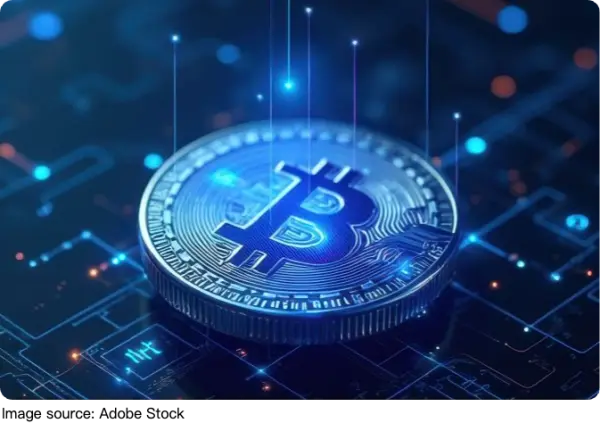
Bitcoin can be used as an investment, as a way to transfer value, or as an alternative financial tool. Its flexibility is one reason it continues to attract attention from individuals around the world. Even so, usage patterns keep changing, and public understanding is still evolving. Bitcoin is more than just a currency; it also reflects a broader shift in how people think about trust, ownership, and the movement of value in a digital environment. For anyone exploring it, the key is to understand both its strengths and its limitations.