Biometrics or Passwords?

Finnegan Flynn
| 23-03-2026
 · News team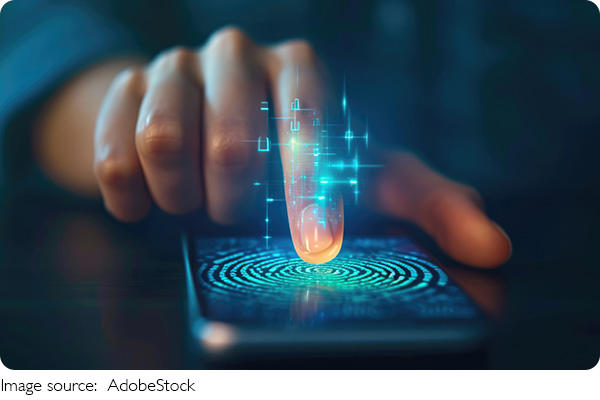
Hello Lykkers! Every time you approve a payment on your phone—whether with a fingerprint scan or a password—you are using a security check meant to protect your money and personal data.
In mobile payments, the real question is not simply which method is newer, but which method offers the best mix of safety, speed, and reliability in everyday use.
Passwords have been part of digital security for years, and they still matter in banking and payment apps. They remain useful because they can be changed whenever needed, and they often serve as a fallback when another login method is unavailable. But passwords also depend heavily on user habits. Many people reuse them, choose weak combinations, or forget them, which can make accounts easier to target through phishing attempts, leaked credentials, or repeated guessing.
Biometric authentication changes that experience by using unique traits such as fingerprints, face recognition, or voice patterns. This removes the need to remember a code every time a payment is approved. It also makes the process feel faster and smoother, especially during quick checkouts. For many users, a simple touch or glance feels more natural than typing a password on a small screen.
Still, convenience does not remove risk. Unlike passwords, biometric data is not something a user can easily reset. That makes secure storage and careful system design extremely important. Kevin Bowyer, a biometrics researcher, said that biometric systems can improve verification, but they need careful design to manage errors and protect long-term user data. This supports the idea that biometrics can strengthen access control, but they work best when paired with strong safeguards rather than treated as a perfect standalone answer.
In simple terms, passwords are flexible but easier to mishandle, while biometrics are faster and more convenient but more sensitive. One depends on memory and habits; the other depends on personal characteristics that require stronger protection. That is why the comparison is less about choosing one forever and more about understanding the strengths and weaknesses of each method.
The strongest payment systems increasingly combine both approaches. Biometrics can make everyday approvals fast and smooth, while passwords or additional checks can help protect more sensitive actions, account recovery, or unusual transactions. This layered model gives users convenience without relying on a single point of trust.
So which one wins? There is no absolute winner. Passwords still play an important support role, while biometrics are becoming the preferred option for speed and ease. The most effective mobile payment security comes from using both wisely, creating a system that is practical for users and stronger against common digital threats.