Boring Investing Wins

Ravish Kumar
| 24-12-2025
 · News team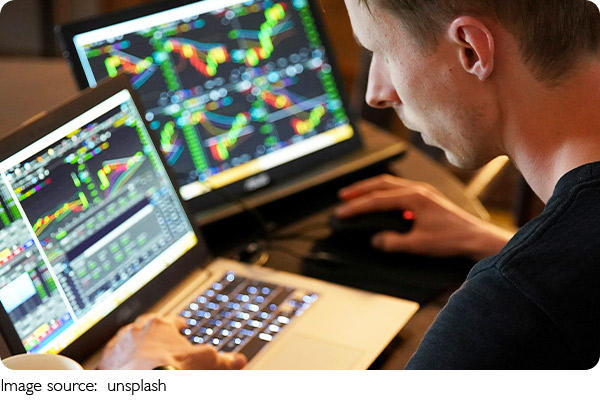
Markets move in fast, dramatic ways, and modern investing apps let anyone jump in with a few taps. That mix can make investing feel more like a game than a long-term wealth plan. When every big swing sparks social media buzz, it is easy to start chasing thrills instead of building stability.
Yet the portfolios that actually survive crashes and recessions rarely belong to the most excited traders. They usually belong to people who treat investing as a slow, methodical process—closer to maintaining a garden than riding a roller coaster.
Benjamin Graham, investor and author, writes, “The investor’s chief problem—and even his worst enemy—is likely to be himself.”
Why Hype Hurts
A rush of new investors entered the markets in recent years, encouraged by free trading apps, viral posts, and stories of overnight gains. Meme stocks and speculative digital assets soared, and it began to look as if everyone else was getting rich quickly. That kind of environment rewires expectations, making normal returns feel too small.
When investing becomes about excitement, the focus often shifts from “Will this help me retire comfortably?” to “Can this double next week?” That subtle mental shift pushes people toward speculative bets, short-term trades, and frequent tinkering—behaviors that typically lead to lower long-term returns, not higher ones.
Frenzy Triggers
Technology plays a major role in this emotional cycle. Trading apps use real-time alerts, colorful dashboards, and constant updates that keep investors glued to screens. Seeing account balances move every second makes it hard to stay calm and easy to react impulsively to every bit of news.
Social comparison adds more fuel. When friends, classmates, or online personalities post only their biggest wins, it creates an illusion that everyone is beating the market. That perceived pressure can push people to take risks they would have rejected in a quieter environment, simply to avoid feeling left behind.
High-Risk Traps
High-frequency trading from a phone might feel empowering, but it usually hands the advantage to emotion rather than strategy. Constant buying and selling means higher chances of entering at bad prices, locking in losses, and missing the strongest rebound days. Over time, even talented traders can underperform by reacting instead of following a clear plan.
Extreme stories illustrate the danger. Some individuals turned small accounts into large sums during speculative booms, only to give everything back and more. Easy access to margin or credit can magnify both gains and losses, leaving people with large debts after the excitement fades. The pattern is familiar: early success, a sense of invincibility, bigger bets, and then a painful collapse.
Boring Works
Healthy investing rarely looks dramatic. It often means buying diversified funds, adding money on a regular schedule, and holding through good and bad years. This approach can feel dull compared to chasing the latest hot trade, but it aligns with how compounding actually works—slowly at first, then more powerfully over decades.
Over time, investors who contribute steadily and trade less frequently often end up with better results than those who constantly adjust positions. Staying invested through downturns is especially important because many of the strongest market days arrive shortly after steep declines. Being “out” during those rebounds can permanently shrink long-term returns.
Healthy Habits
One of the best ways to protect both money and mental health is to limit how often accounts are checked. Looking at balances multiple times a day ties mood to short-term price moves and encourages overreaction. Many long-term investors do well by reviewing their portfolios monthly or even quarterly, focusing on progress toward goals rather than daily swings.
Another practical habit is to separate “serious” investing from “experimental” trading. For example, an investor might keep 90–95% of assets in diversified, long-term holdings aligned with retirement or other major goals. The remaining small slice can be used for higher-risk trades or speculative ideas. Even if that portion is lost, the core plan remains intact.
Planning in advance is equally important. Deciding on asset allocation, risk limits, and rebalancing rules when emotions are calm helps prevent impulsive decisions later. A simple personal rule—such as waiting three days between having an idea and acting on it—can create enough space for rational thinking to return before money is moved.
Conclusion
Excitement is great for sports, travel, and hobbies, but it is usually a warning sign in investing. A portfolio that feels pleasantly boring is often one that is diversified, goal-focused, and built to withstand volatility. The aim is not to win every week; it is to reach future milestones with enough money and far less stress by sticking to a clear plan through market noise.